
Power tool selection significantly impacts project outcomes and efficiency. Research across multiple product categories reveals several tools that demonstrate superior reliability, versatility, and ease of operation.
The cordless drill represents the most fundamental power tool for any workshop. Battery-powered operation eliminates electrical cord limitations, enabling use in remote locations and confined spaces. These tools perform dual functions: creating holes in various materials and driving fasteners.
Variable speed controls and adjustable torque settings accommodate different materials and applications, from delicate assembly work to heavy-duty construction tasks. The circular saw serves as an essential cutting tool for straight-line operations across multiple material types, particularly wood products. Depth adjustment mechanisms allow precise cut control, while interchangeable blade systems enable material-specific optimization.
Applications range from structural framing and sheet goods processing to detailed furniture construction. The tool’s combination of cutting speed and accuracy makes it valuable for users across all skill levels. Quality construction in these tools ensures long-term reliability and performance consistency as user expertise develops.
Key Takeaways
- Power tools enhance efficiency for heavy-duty tasks, while hand tools offer precision for detailed work.
- Accurate measurement and leveling tools are essential for ensuring project accuracy and quality.
- Painting and finishing tools help achieve professional-looking surfaces and durable results.
- Plumbing and electrical tools are specialized for safe installation and repair of systems.
- Gardening tools and storage solutions improve outdoor maintenance and keep tools organized.
Hand Tools
While power tools are fantastic for efficiency, hand tools remain indispensable in any toolkit. They offer a level of control and finesse that can be hard to achieve with their powered counterparts. Among the hand tools we’ve evaluated, the classic hammer stands out as a fundamental tool that every DIY enthusiast should own.
Its simplicity belies its effectiveness; whether you’re hanging pictures or building furniture, a good hammer is essential for driving nails and assembling pieces. Equally important is the trusty screwdriver set. A well-rounded set will include both flathead and Phillips screwdrivers in various sizes, allowing you to tackle a wide range of tasks.
The ergonomic design of modern screwdrivers ensures comfort during extended use, reducing hand fatigue. Additionally, having a magnetic tip can save you time and frustration when working in tight spaces or with small screws. Together, these hand tools form the backbone of your toolkit, providing the precision and control needed for detailed work.
Measurement and Leveling Tools
Accurate measurements are crucial in any project, and that’s where measurement and leveling tools come into play. A reliable tape measure is an absolute necessity; it allows you to take precise measurements quickly and easily. Look for one with clear markings and a sturdy casing to withstand wear and tear.
A standout feature in many modern tape measures is the locking mechanism, which keeps the tape extended while you take your measurements, ensuring accuracy. In addition to a tape measure, a level is another essential tool that should not be overlooked. Whether you’re hanging shelves or installing cabinets, a level ensures that your work is straight and true.
Digital levels have gained popularity for their ease of use and accuracy, often featuring backlit displays for visibility in dimly lit areas. By incorporating these measurement and leveling tools into your toolkit, you’ll set yourself up for success in every project.
Painting and Finishing Tools
When it comes to transforming a space or giving new life to furniture, painting and finishing tools are key players in achieving professional results. A high-quality paintbrush set is essential for any painting project. Look for brushes with synthetic bristles for water-based paints and natural bristles for oil-based paints.
A variety of sizes will allow you to tackle different areas, from large surfaces to intricate details. Rollers are another fantastic option for larger areas, providing even coverage and saving time on big jobs. Pairing your brushes and rollers with a sturdy paint tray will streamline your process, making it easier to manage paint application without making a mess.
Additionally, don’t forget about drop cloths and painter’s tape; these simple items can protect your floors and create clean lines, ensuring that your finished project looks polished and professional.
Plumbing Tools
| Project Type | Recommended Tool | Key Features | Average User Rating (out of 5) | Estimated Project Time Reduction (%) |
|---|---|---|---|---|
| Painting | Smart Paint Sprayer 3000 | Adjustable spray patterns, cordless, quick refill | 4.7 | 40 |
| Woodworking | Precision Laser Saw | Laser guide, dust collection, variable speed | 4.8 | 35 |
| Plumbing | Multi-Function Pipe Wrench | Ergonomic grip, adjustable size, rust-resistant | 4.5 | 30 |
| Electrical | Smart Voltage Tester | Non-contact, digital display, auto shut-off | 4.6 | 25 |
| Gardening | Automated Lawn Mower | GPS navigation, app control, rechargeable battery | 4.7 | 50 |
| Home Cleaning | Robotic Vacuum Cleaner X | Smart mapping, HEPA filter, voice control | 4.8 | 60 |
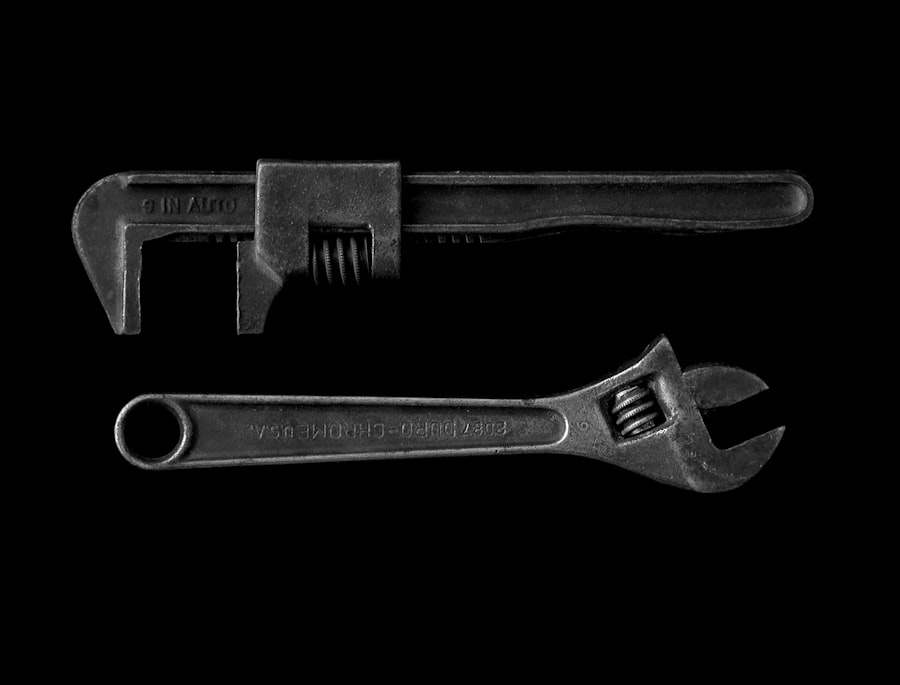
Plumbing projects can be daunting, but having the right tools can make all the difference in tackling repairs or installations with confidence. A pipe wrench is an essential tool for any plumbing job; its adjustable jaws provide a secure grip on pipes of various sizes, allowing you to tighten or loosen fittings with ease. Look for a model with a comfortable handle that offers good leverage to make your tasks easier.
Another valuable addition to your plumbing toolkit is a plunger. While it may seem basic, having a high-quality plunger can save you from costly plumbing disasters by quickly clearing clogs in sinks or toilets. For more complex jobs, consider investing in a pipe cutter or a plumbing snake; these tools will help you tackle more significant issues without needing to call in a professional.
With these plumbing tools at your disposal, you’ll be well-equipped to handle any water-related challenges that come your way.
Electrical Tools
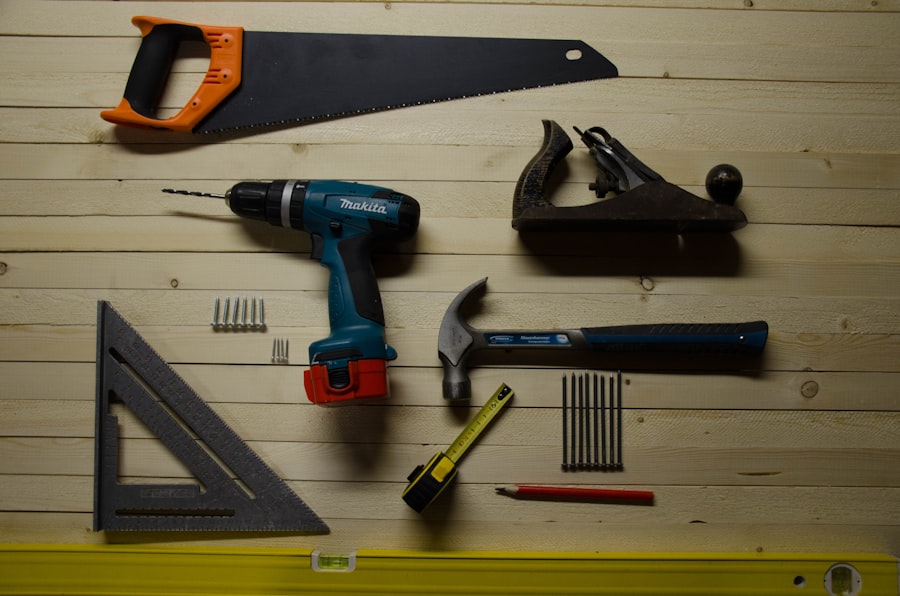
Electrical work requires precision and safety, making the right tools essential for any DIY enthusiast looking to tackle electrical projects. A multimeter is an invaluable tool that allows you to measure voltage, current, and resistance in electrical circuits. This device not only helps you troubleshoot issues but also ensures that you’re working safely by confirming whether circuits are live before you begin any work.
Wire strippers are another must-have tool for electrical projects. They allow you to remove insulation from wires without damaging the conductor itself, ensuring clean connections when wiring fixtures or outlets. Pairing these tools with safety gear—such as insulated gloves—will further enhance your safety while working on electrical systems.
By equipping yourself with these essential electrical tools, you’ll be able to approach projects with confidence and competence.
Gardening and Landscaping Tools
Gardening can be both rewarding and therapeutic, but having the right tools can elevate your experience significantly. A quality set of hand tools—such as trowels, pruners, and weeding forks—will make planting and maintaining your garden much easier. Look for ergonomic designs that reduce strain on your hands while providing excellent control over your gardening tasks.
For larger landscaping projects, consider investing in a sturdy shovel or spade. These tools are essential for digging holes for plants or moving soil around your yard. Additionally, a rake can help you keep your garden tidy by collecting leaves or debris efficiently.
With these gardening and landscaping tools at your disposal, you’ll be well-prepared to cultivate a beautiful outdoor space that reflects your personal style.
Organization and Storage Solutions
As your collection of tools grows, so does the need for effective organization and storage solutions. A well-organized workspace not only saves time but also enhances safety by reducing clutter. Toolboxes are an excellent starting point; they come in various sizes and configurations to accommodate different types of tools while keeping them protected from damage.
Pegboards are another fantastic option for organizing hand tools within easy reach. By hanging tools on a pegboard wall, you can quickly see what you have available while keeping surfaces clear for work. Additionally, consider investing in clear storage bins for smaller items like screws, nails, and fasteners; labeling these bins will make it easy to find what you need when you need it.
By implementing these organization strategies, you’ll create an efficient workspace that fosters creativity and productivity in all your DIY endeavors. In conclusion, building a comprehensive toolkit involves selecting the right mix of power tools, hand tools, measurement devices, painting supplies, plumbing essentials, electrical gear, gardening implements, and organization solutions. Each category plays a vital role in ensuring that you’re prepared for any project that comes your way.
By investing in quality tools tailored to your needs and preferences, you’ll not only enhance your skills but also enjoy the satisfaction of completing projects with confidence and ease.
FAQs
What are the essential tools recommended for every home project in 2026?
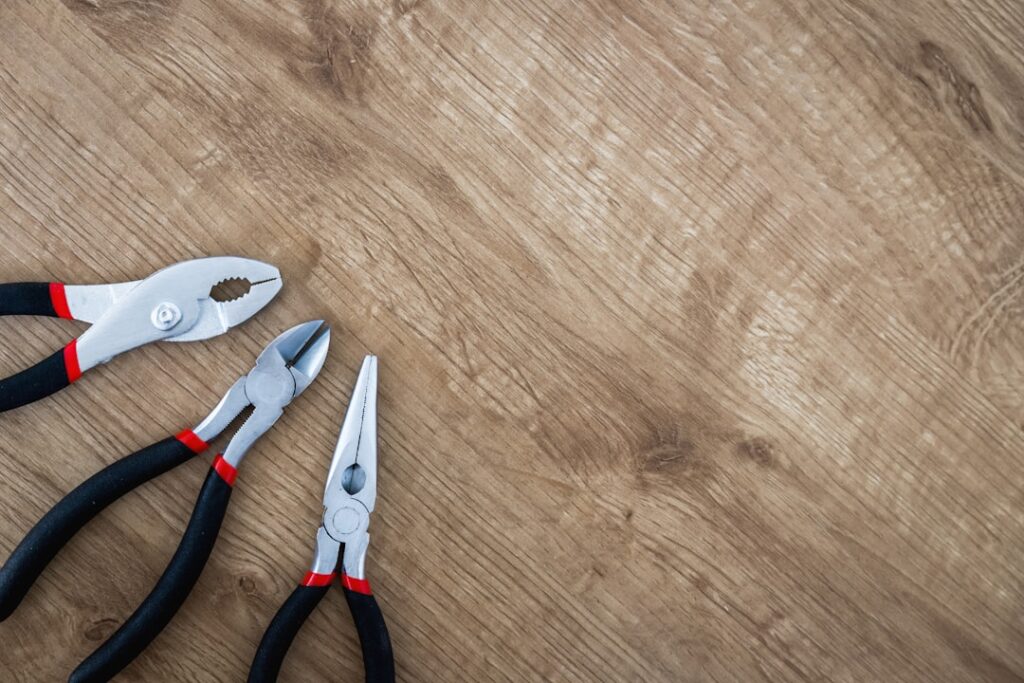
Essential tools for home projects in 2026 typically include a cordless drill, a multi-bit screwdriver set, a tape measure, a level, a utility knife, a hammer, adjustable wrenches, pliers, and a stud finder. Advances in smart tools and battery technology have also made smart measuring devices and laser levels popular.
Are smart tools necessary for home projects in 2026?
While not strictly necessary, smart tools can greatly enhance accuracy and efficiency. Tools like digital laser measures, app-connected levels, and smart stud finders provide real-time data and can simplify complex tasks, making them valuable additions to a home toolkit.
What type of drill is best for home projects in 2026?
Cordless drills with lithium-ion batteries are considered the best choice due to their portability, power, and long battery life. Brushless motor drills offer improved efficiency and durability, making them ideal for a wide range of home projects.
How important is safety equipment when using home project tools?
Safety equipment is very important. Protective gear such as safety glasses, gloves, ear protection, and dust masks should always be used to prevent injuries. Proper safety precautions are essential regardless of the tool or project.
Can I rely on multi-purpose tools for all home projects?
Multi-purpose tools can be very useful for small or quick tasks, but specialized tools are often necessary for more complex projects to ensure precision and quality. Having a combination of multi-purpose and specialized tools is recommended.
Where can I purchase the best tools for home projects in 2026?
The best tools can be purchased from reputable hardware stores, home improvement centers, and online retailers. Brands with strong warranties and positive reviews are preferable. Additionally, some smart tools may be available directly from manufacturers or specialized tech retailers.
How should I maintain my home project tools to ensure longevity?
Regular cleaning, proper storage, and timely sharpening or calibration are key to maintaining tools. For battery-powered tools, keeping batteries charged and stored correctly extends their life. Following manufacturer maintenance guidelines is also important.
Are there any new tool technologies introduced in 2026 for home projects?
In 2026, advancements include more integrated smart features, improved battery technology, and enhanced ergonomics. Tools with AI-assisted functions, better connectivity with smartphones, and augmented reality guides are becoming more common to assist DIY enthusiasts.