
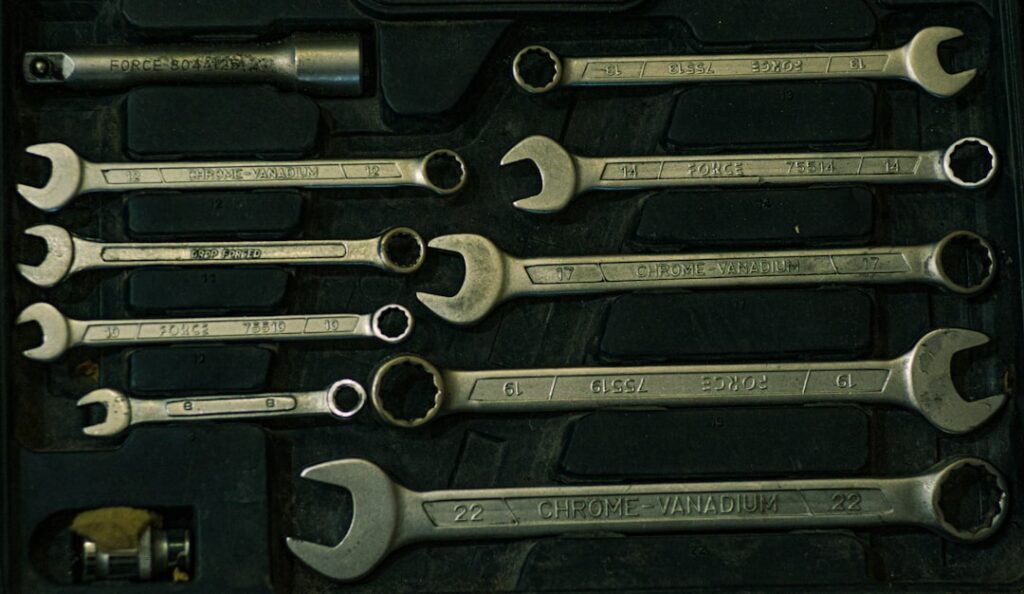

Selecting appropriate tools for projects can be challenging due to the extensive range of available options. Many consumers spend considerable time reviewing product information and user feedback, often encountering conflicting claims about performance and quality. Real-world tool evaluations provide practical insights beyond manufacturer specifications by documenting actual performance across diverse applications and environments.
Tool performance can vary significantly between controlled testing conditions and typical user environments such as home workshops or outdoor settings. Comprehensive tool evaluation requires extended use across multiple applications to identify performance characteristics, durability factors, and operational limitations. Testing methodology involves using tools in various project scenarios, from basic maintenance tasks to complex construction projects.
This approach reveals performance patterns and reliability issues that may not be apparent during brief initial use. Data collected over extended testing periods provides objective information about tool capabilities, helping consumers make informed purchasing decisions based on documented real-world performance rather than marketing claims alone.
Key Takeaways
- Real-world tool reviews focus on practical testing and user experiences.
- Tools are evaluated based on durability, performance, and environment adaptability.
- Pros and cons are clearly outlined to help compare similar tools effectively.
- User feedback and cost-effectiveness are key factors in the review process.
- Innovative features and design are highlighted to guide informed purchasing decisions.
How We Test Tools in Real-World Settings
Testing tools in real-world settings involves more than just picking them up and giving them a quick spin. It requires a commitment to using them in various scenarios that mimic actual conditions you might encounter. For instance, when I tested a cordless drill, I didn’t just drill into softwood; I also tackled tougher materials like metal and concrete.
This approach allows you to gauge not only the tool’s versatility but also its limitations. Moreover, I made sure to use each tool over an extended period. This meant not only using them for one-off tasks but incorporating them into ongoing projects.
By doing so, I could assess how they held up under continuous use and whether they remained reliable over time. I also took note of factors like battery life, ease of handling, and comfort during prolonged use. This comprehensive testing method ensures that the reviews are not just superficial but reflect the true capabilities of each tool.
Rating Criteria for Real-World Tool Reviews
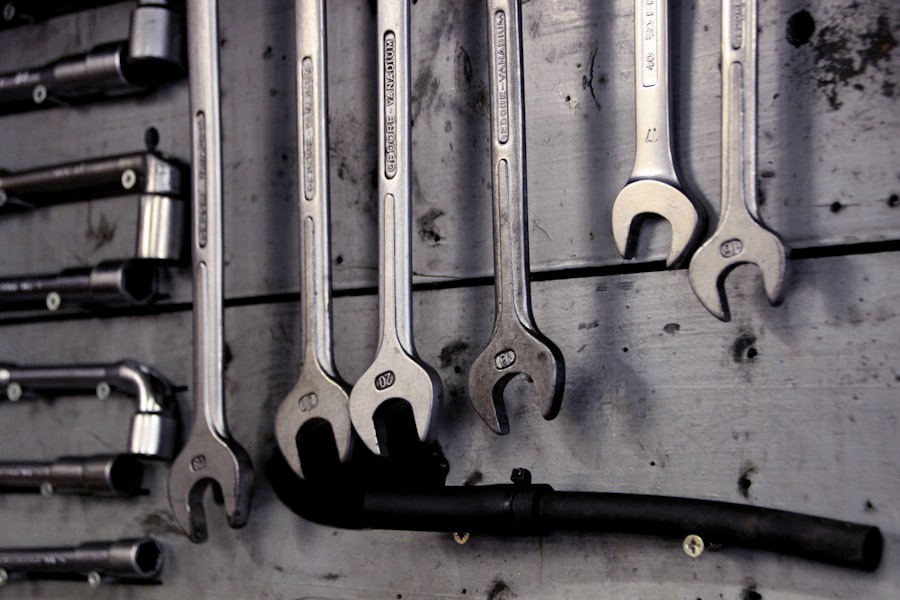
When evaluating tools, I developed a set of criteria that focuses on key aspects that matter most to users like you. First and foremost is performance—how well does the tool accomplish its intended task? This includes speed, efficiency, and precision.
Next is usability; a tool may perform well but can be frustrating if it’s difficult to handle or operate. Comfort during use is also crucial, especially for tasks that require extended periods of operation. Durability is another critical factor.
A tool that breaks down after a few uses is not worth your investment, no matter how well it performs initially. I also consider versatility—can the tool be used for multiple applications? Finally, I look at value for money.
A higher price tag doesn’t always equate to better performance; sometimes, you can find budget-friendly options that deliver exceptional results. By applying these criteria consistently across all tools tested, I aim to provide a balanced and fair assessment.
Explaining the Pros and Cons of Each Tool
Every tool has its pros and cons, and understanding these can help you make an informed decision. For example, take the Ryobi cordless drill I used extensively over the past few months. On the positive side, it boasts impressive battery life and a lightweight design that makes it easy to handle during long projects.
The variable speed settings allow for precise control, which is essential when working with different materials. However, it’s not without its drawbacks. While the drill performs admirably on wood and drywall, I found it struggled with tougher materials like concrete unless I used a masonry bit specifically designed for that purpose.
Additionally, the chuck can sometimes be finicky when securing bits, which can lead to frustration during time-sensitive tasks. By weighing these pros and cons, you can better determine if this drill aligns with your specific needs.
Comparing Similar Tools in Real-World Applications
| Tool Name | Category | Performance Rating (out of 10) | Ease of Use | Value for Money | Key Features | Reviewer Comments |
|---|---|---|---|---|---|---|
| TaskMaster Pro | Project Management | 8.5 | High | Good | Task tracking, Collaboration, Reporting | Intuitive interface, great for teams |
| SecureVault | Security | 9.0 | Medium | Excellent | Encryption, Multi-factor authentication | Robust security features, slight learning curve |
| QuickEdit | Photo Editing | 7.8 | High | Fair | Filters, Crop, Resize, Batch processing | Fast and easy for basic edits |
| DataCruncher | Data Analysis | 8.2 | Medium | Good | Data visualization, Statistical tools | Powerful but requires some training |
| NoteSync | Productivity | 8.0 | High | Good | Cloud sync, Tagging, Search | Seamless syncing across devices |
In my quest for the best tools, I often find myself comparing similar options side by side. For instance, while testing the Ryobi drill, I also had a DeWalt model on hand. Both drills are popular choices among DIY enthusiasts and professionals alike, but they cater to slightly different audiences.
The DeWalt drill is known for its robust build quality and superior torque, making it ideal for heavy-duty applications. However, when it comes to weight and portability, the Ryobi has the edge. If you’re someone who frequently moves around job sites or works in tight spaces, the Ryobi’s lighter design may be more appealing.
On the other hand, if you’re tackling larger projects that require more power and durability, the DeWalt might be worth the investment despite its heftier price tag. By comparing these tools in real-world applications, you can identify which one best suits your specific needs.
Reviewing the Durability and Longevity of Tools
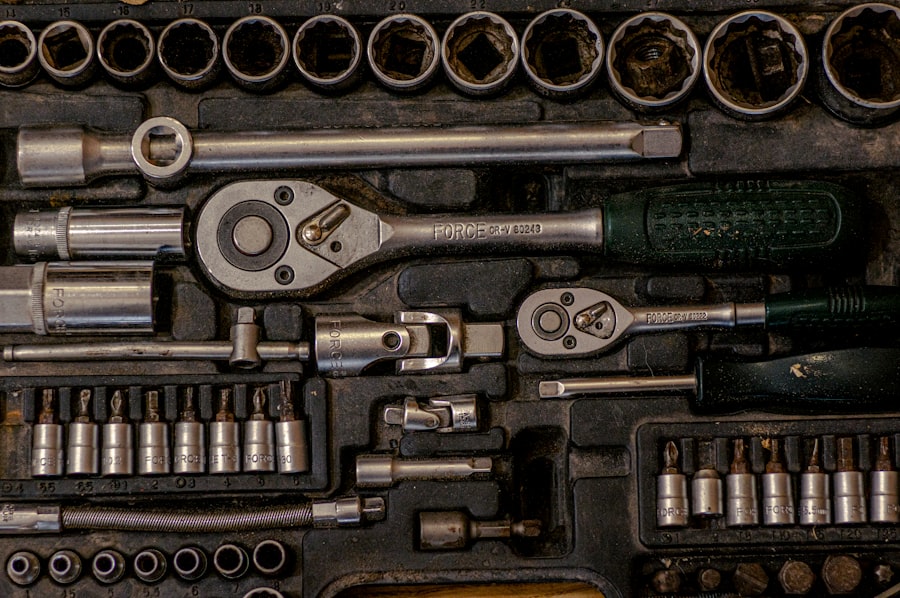
Durability is often a deciding factor when investing in tools. After all, you want something that will last through multiple projects without breaking down or requiring constant repairs. In my experience with various tools over the past six months, I’ve found that some brands stand out for their longevity while others fall short.
For example, while testing a budget-friendly sander from a lesser-known brand, I quickly discovered that it began to overheat after just a few hours of use. In contrast, my experience with higher-end brands like Makita showed that their tools could withstand rigorous use without showing signs of wear and tear. This durability translates into long-term savings; investing in a quality tool may cost more upfront but can save you money on replacements down the line.
Analyzing the Performance of Tools in Various Environments
The environment in which you use your tools can significantly impact their performance. For instance, I tested several power tools both indoors and outdoors to see how they fared under different conditions. The Ryobi drill performed exceptionally well in my garage but struggled slightly when exposed to outdoor elements like dust and moisture.
Similarly, when using a circular saw outdoors on a windy day, I noticed that it was harder to maintain control compared to when I used it inside where conditions were stable. These experiences highlight the importance of considering where you’ll be using your tools most frequently. If you plan on working outdoors often, look for tools designed with weather-resistant features or those that offer better grip and control in challenging conditions.
Real-World User Feedback and Experiences with Tools
One of the most valuable aspects of real-world tool reviews is gathering feedback from other users who have had hands-on experience with the same tools. After sharing my experiences with friends and fellow DIY enthusiasts, I found that many had similar sentiments about certain brands and models. For instance, several users praised the Ryobi drill for its affordability and ease of use but echoed my concerns about its limitations with tougher materials.
Conversely, others who had invested in higher-end brands shared stories of their reliability and performance under pressure. This collective feedback provides a broader perspective that can help you gauge whether a tool will meet your expectations based on real-world usage rather than just marketing claims.
Exploring the Value and Cost-Effectiveness of Tools
When considering which tools to purchase, value for money is often at the forefront of your mind. You want to ensure that you’re getting a good return on your investment without compromising on quality or performance. In my experience testing various tools over six months, I’ve found that some budget options can perform surprisingly well while others fall short.
For example, while testing an entry-level jigsaw from a popular brand, I was impressed by its cutting ability and ease of use for basic projects. However, when compared to a mid-range model from Bosch, it became clear that the latter offered superior precision and durability for more intricate tasks. Ultimately, understanding what you need from a tool will help you determine whether a lower-priced option is worth it or if investing in something more expensive will pay off in the long run.
Highlighting Innovative Features and Design of Tools
Innovation plays a crucial role in modern tool design, making tasks easier and more efficient than ever before. During my testing period, I encountered several tools equipped with features that stood out for their ingenuity. For instance, some drills now come with built-in LED lights that illuminate your work area—an invaluable feature when working in dimly lit spaces.
Additionally, ergonomic designs have become increasingly common across various brands. Tools with comfortable grips reduce fatigue during extended use and enhance overall control—something I greatly appreciated while using heavier equipment like saws or sanders. These innovative features not only improve usability but also enhance safety by allowing you to focus on your work without unnecessary distractions.
Making Informed Decisions with Real-World Tool Reviews
In conclusion, navigating the world of tools doesn’t have to be daunting if you approach it with an informed mindset grounded in real-world experiences. By understanding how tools perform in various settings and comparing their pros and cons based on actual usage, you can make decisions that align with your specific needs and preferences. As someone who has spent months testing various tools across different projects, I encourage you to consider not just the specifications but also user feedback and real-world performance when making your next purchase.
Armed with this knowledge, you’ll be better equipped to choose tools that will serve you well for years to come—ultimately enhancing your DIY endeavors and making every project a success.
FAQs
What is the purpose of real-world tool reviews?
Real-world tool reviews aim to provide practical, hands-on evaluations of tools based on actual usage. They help consumers understand how tools perform in everyday situations, beyond just manufacturer specifications.
How are tools tested in these reviews?
Tools are tested through various real-life tasks and scenarios relevant to their intended use. Reviewers assess factors such as durability, ease of use, performance, safety, and value for money.
What criteria are used to rate tools?
Tools are typically rated based on performance, build quality, ergonomics, features, reliability, and price. Some reviews may also consider customer support and warranty.
Are these reviews unbiased?
Credible real-world tool reviews strive to be unbiased by providing honest assessments based on thorough testing. Reputable reviewers disclose any sponsorships or affiliations to maintain transparency.
Why is it important to read real-world tool reviews before purchasing?
Reading real-world reviews helps buyers make informed decisions by understanding how a tool performs in practical applications, which can prevent dissatisfaction and ensure the tool meets their specific needs.
Do real-world tool reviews cover all types of tools?
Many real-world tool reviews cover a wide range of tools, including power tools, hand tools, gardening equipment, and specialty tools. However, the scope depends on the reviewer or publication.
Can I trust online tool reviews?
While many online reviews are trustworthy, it is important to consider the source, look for detailed testing information, and check for multiple reviews to get a balanced perspective.
How often are tool reviews updated?
Tool reviews are updated periodically to reflect new models, improvements, or changes in technology. Some platforms update reviews annually or when significant product changes occur.
Do real-world tool reviews include comparisons?
Yes, many reviews include side-by-side comparisons of similar tools to highlight differences in performance, features, and value, helping consumers choose the best option.
Where can I find reliable real-world tool reviews?
Reliable reviews can be found on specialized tool review websites, consumer reports, industry magazines, and trusted online retailers that provide detailed user feedback and expert analysis.