
In the power tool industry, several brands dominate the market, with DeWalt, Milwaukee, Makita, and Bosch emerging as leading manufacturers. Each brand has established its reputation through distinctive features, quality standards, and specialized product ranges. This comparative analysis examines these four major brands, exploring their historical development, current product offerings, technological innovations, and market positioning.
For both professional contractors and hobbyists, understanding the specific advantages of each brand is essential for making appropriate purchasing decisions. The following examination provides factual information about DeWalt, Milwaukee, Makita, and Bosch, including their manufacturing approaches, durability ratings, price points, and specialized applications. This information serves as a reference guide for evaluating which brand best aligns with specific project requirements, frequency of use, and budget considerations.
Key Takeaways
- DeWalt, Milwaukee, Makita, and Bosch are leading power tool brands with distinct histories and strengths.
- Each brand offers a unique product line catering to different professional and DIY needs.
- Performance, durability, and innovation vary across brands, influencing user preference and application.
- Price and value considerations are important, with warranty and customer support playing key roles.
- Choosing the right brand depends on specific project requirements, budget, and desired features.
History and Background of DeWalt
DeWalt was founded in 1924 by Raymond DeWalt, who invented the radial arm saw, a tool that revolutionized woodworking. The company quickly gained a reputation for producing high-quality tools that catered to the needs of professionals. Over the decades, DeWalt expanded its product line to include a wide range of power tools, hand tools, and accessories.
The brand became synonymous with durability and reliability, making it a favorite among contractors and tradespeople. In 2004, DeWalt became part of the Stanley Black & Decker family, which further solidified its position in the market. This acquisition allowed DeWalt to leverage additional resources for research and development, leading to innovative products that continue to meet the evolving demands of users.
History and Background of Milwaukee
Milwaukee Electric Tool Corporation was established in 1924 as well, initially focusing on manufacturing heavy-duty power tools for professional trades. The brand quickly gained traction due to its innovative designs and commitment to quality. One of its early successes was the introduction of the first portable band saw, which set a new standard in the industry.
Milwaukee has always been at the forefront of innovation, consistently pushing boundaries to create tools that enhance productivity. In recent years, Milwaukee has made significant strides in battery technology with its M18 and M12 systems, which have become benchmarks for cordless power tools. The brand’s focus on user feedback has led to the development of ergonomic designs that prioritize comfort without sacrificing performance.
Milwaukee’s dedication to creating tools that withstand rigorous use has earned it a loyal following among professionals who demand reliability on the job site.
History and Background of Makita
Makita was founded in 1915 in Japan as a manufacturer of electric motors and has since evolved into one of the leading power tool brands globally. The company made its mark in the 1950s by introducing electric planers and has continued to innovate ever since. Makita’s commitment to quality craftsmanship and advanced technology has allowed it to expand its product offerings significantly over the years.
Today, Makita is known for its extensive range of cordless tools powered by lithium-ion batteries. The brand has invested heavily in research and development to ensure that its products meet the needs of both professionals and DIY enthusiasts alike. With a focus on lightweight designs and high-performance capabilities, Makita has carved out a niche for itself in the competitive power tool market.
History and Background of Bosch
| Brand | Average Tool Price | Warranty Period | Battery Life (hours) | Tool Variety | Customer Satisfaction (%) | Durability Rating (1-10) |
|---|---|---|---|---|---|---|
| DeWalt | 150 | 3 years | 5 | High | 88 | 9 |
| Milwaukee | 170 | 5 years | 6 | Very High | 91 | 9 |
| Makita | 140 | 3 years | 5.5 | High | 85 | 8 |
| Bosch | 130 | 2 years | 4.5 | Medium | 82 | 7 |
Bosch is a name that resonates across various industries, including automotive and home appliances, but it has also made significant contributions to the power tool sector. Founded in 1886 by Robert Bosch in Germany, the company initially focused on precision engineering before expanding into electrical engineering and power tools. Bosch’s reputation for quality and innovation has made it a trusted name among professionals worldwide.
Over the years, Bosch has introduced numerous groundbreaking technologies in power tools, such as the first cordless drill in 1961. The brand continues to lead in areas like dust extraction systems and smart tool technology. Bosch’s commitment to sustainability is also noteworthy; they strive to create energy-efficient tools that minimize environmental impact while maximizing performance.
Comparison of Product Lines
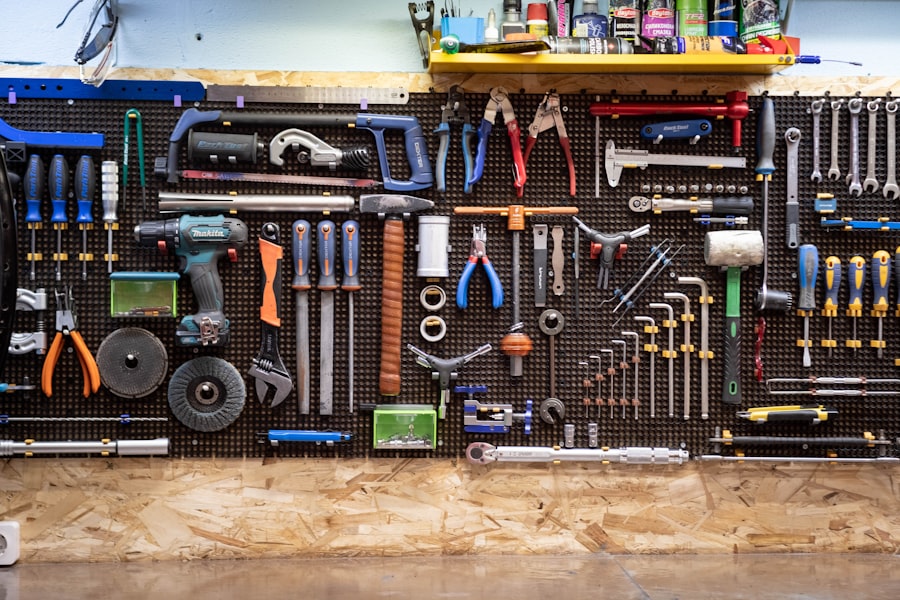
When comparing product lines across DeWalt, Milwaukee, Makita, and Bosch, you will find that each brand offers a diverse range of tools tailored to various applications. DeWalt is particularly known for its extensive lineup of construction tools, including drills, saws, and impact drivers that cater specifically to contractors. Their FlexVolt technology allows users to switch between 20V and 60V batteries for enhanced versatility.
Milwaukee’s product line is heavily focused on innovation and user-centric design. Their M18 Fuel series features advanced brushless motors that deliver superior performance while extending battery life. Additionally, Milwaukee offers a wide array of accessories that complement their tools, making them a one-stop shop for many professionals.
Makita stands out with its emphasis on lightweight yet powerful tools. Their LXT series offers an impressive selection of cordless options that are ideal for both heavy-duty tasks and delicate work. Makita’s commitment to ergonomics ensures that users can operate their tools comfortably for extended periods.
Bosch’s product line is characterized by precision engineering and advanced technology. Their tools often feature innovative safety mechanisms and dust management systems that enhance user experience. Bosch also offers a range of compact tools designed for tight spaces without compromising on power or performance.
Performance and Durability
Performance is a critical factor when evaluating power tools, and all four brands have established themselves as leaders in this area. DeWalt tools are known for their rugged construction and ability to withstand harsh job site conditions. Their products often feature high-torque motors that deliver consistent power even under heavy loads.
Milwaukee’s focus on performance is evident in their M18 Fuel line, which boasts impressive torque ratings and battery efficiency. Users often report longer run times compared to competitors, making Milwaukee an excellent choice for those who require extended use without frequent recharging. Makita’s reputation for durability is backed by rigorous testing standards that ensure their tools can handle demanding tasks over time.
Their brushless motors not only enhance performance but also contribute to longer tool life by reducing wear and tear. Bosch tools are engineered with precision in mind, often incorporating features that enhance durability while maintaining high performance levels. Their commitment to quality control ensures that each tool meets stringent standards before reaching consumers.
Innovation and Technology
Innovation is at the heart of what sets these brands apart from one another. DeWalt has made significant strides with its FlexVolt technology, allowing users to switch between different voltage systems seamlessly. This adaptability makes their tools versatile enough for various applications while maintaining high performance.
Milwaukee is renowned for its advancements in battery technology, particularly with their REDLITHIUM batteries that provide longer run times and improved performance in extreme conditions. Their focus on user feedback has led to innovative features like the ONE-KEY system, which allows users to customize tool settings via a smartphone app. Makita continues to push boundaries with its brushless motor technology and rapid charging capabilities.
Their tools are designed with user comfort in mind, featuring lightweight designs without sacrificing power or efficiency. Bosch’s commitment to innovation is evident in their smart tool technology that integrates connectivity features into their products. This allows users to monitor tool performance remotely and receive updates on maintenance needs, enhancing overall usability.
Price and Value
When considering price points across these brands, it’s essential to evaluate not just the initial cost but also the long-term value each tool provides. DeWalt tends to be competitively priced within the professional-grade market while offering robust warranties that enhance overall value. Milwaukee products often come at a premium price due to their advanced technology and performance capabilities; however, many users find that the investment pays off through increased productivity and reduced downtime on job sites.
Makita offers a range of price points that cater to both professionals and DIY enthusiasts alike. Their focus on quality ensures that even their more affordable options deliver reliable performance without compromising durability. Bosch typically positions itself as a mid-range option but provides exceptional value through innovative features that enhance usability and safety.
Their commitment to quality ensures that you are getting a reliable tool without breaking the bank.
Customer Support and Warranty
Customer support is an often-overlooked aspect when choosing power tools but can significantly impact your experience as a user. DeWalt offers comprehensive customer service options along with generous warranties on their products, ensuring peace of mind for buyers. Milwaukee is known for its responsive customer service team that assists users with any inquiries or issues they may encounter.
Their warranty policies are also robust, reflecting confidence in their products’ durability. Makita provides solid customer support through various channels while offering warranties that cover defects in materials or workmanship for an extended period. This commitment helps build trust with consumers who rely on their tools daily.
Bosch’s customer service is well-regarded within the industry; they offer extensive resources online for troubleshooting as well as warranty support that reflects their commitment to customer satisfaction.
Conclusion and Recommendations
In conclusion, choosing between DeWalt, Milwaukee, Makita, and Bosch ultimately depends on your specific needs as a user. If you prioritize battery life and ruggedness for heavy-duty tasks, DeWalt may be your best bet. On the other hand, if you seek innovative features and ergonomic designs tailored for prolonged use, Milwaukee could be your ideal choice.
For those who value lightweight yet powerful options without sacrificing quality or performance, Makita stands out as an excellent contender. Lastly, if precision engineering combined with smart technology appeals to you, Bosch should be at the top of your list. Each brand brings something unique to the table; therefore, consider your specific requirements—be it performance, innovation, price point, or customer support—before making your final decision.
By understanding what each brand offers, you can confidently invest in tools that will serve you well for years to come.
FAQs
Which brand is considered the most durable among DeWalt, Milwaukee, Makita, and Bosch?
All four brands—DeWalt, Milwaukee, Makita, and Bosch—are known for producing durable tools. Milwaukee is often praised for its ruggedness and heavy-duty performance, especially in professional settings. DeWalt also has a strong reputation for durability, particularly in construction environments. Makita and Bosch offer reliable durability as well, with Bosch often excelling in precision and engineering quality.
What types of tools do DeWalt, Milwaukee, Makita, and Bosch specialize in?
DeWalt and Milwaukee are widely recognized for their cordless power tools, including drills, impact drivers, saws, and grinders. Makita is known for a broad range of power tools and outdoor equipment, such as lawn mowers and trimmers. Bosch offers a diverse lineup that includes power tools, measuring tools, and accessories, with a strong emphasis on innovation and precision.
Are the batteries and chargers compatible across these brands?
No, batteries and chargers are generally not compatible across DeWalt, Milwaukee, Makita, and Bosch. Each brand uses its own battery platform and charging system, so users typically need to stick to the same brand for battery compatibility.
Which brand offers the best warranty and customer service?
Warranty terms vary by product and region, but generally, Milwaukee and DeWalt offer competitive warranties, often including 3-year limited warranties and service programs. Makita and Bosch also provide solid warranty coverage, typically ranging from 1 to 3 years. Customer service experiences can vary, but all four brands have established support networks.
How do the price points compare among DeWalt, Milwaukee, Makita, and Bosch?
Milwaukee and DeWalt tend to be positioned in the mid to high price range, reflecting their focus on professional-grade tools. Makita offers a range of prices, often competitive for both professionals and DIY users. Bosch tools can vary widely in price, with some models aimed at budget-conscious consumers and others targeting professionals.
Which brand is best suited for professional contractors?
Milwaukee and DeWalt are often favored by professional contractors due to their durability, extensive tool lines, and battery platform ecosystems. Makita is also popular among professionals, especially for its cordless tools and outdoor equipment. Bosch is well-regarded for precision tools and innovation, making it a good choice for specialized trades.
Do these brands offer cordless tool options?
Yes, all four brands—DeWalt, Milwaukee, Makita, and Bosch—offer extensive lines of cordless power tools. Cordless technology is a major focus for each brand, with proprietary battery systems designed to maximize runtime and power.
Are replacement parts and accessories readily available for these brands?
Yes, replacement parts and accessories for DeWalt, Milwaukee, Makita, and Bosch tools are widely available through authorized dealers, online retailers, and brand service centers. Availability may vary depending on the specific tool model and region.
Which brand is known for innovation in power tools?
Bosch and Milwaukee are often recognized for innovation, with Milwaukee leading in battery technology and tool connectivity, and Bosch excelling in precision engineering and smart tool features. DeWalt and Makita also invest heavily in research and development to introduce new technologies.
Can these brands be used interchangeably for home DIY projects?
Yes, all four brands offer tools suitable for home DIY projects. The choice often depends on personal preference, budget, and specific tool needs. Each brand provides reliable, user-friendly options for non-professional users.