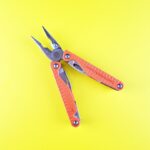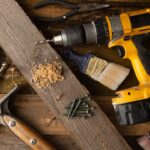


When you first notice a problem with your tool, the initial step is to assess the damage thoroughly. This means taking a close look at the tool’s components and understanding what might be malfunctioning. You might find that a simple visual inspection reveals cracks, rust, or other signs of wear and tear. However, it’s essential to go beyond just what you can see.
Sometimes, internal issues can be lurking beneath the surface, waiting to cause more significant problems down the line.
You should consider whether the tool is still functioning as intended or if it has become a safety hazard.
As you assess the damage, it’s crucial to document your findings. Take notes or photographs to keep track of what you discover. This documentation can be invaluable later on, especially if you decide to consult a professional or if you need to file a warranty claim. Remember, being honest with yourself about the extent of the damage is vital. If you downplay the issues, you may end up facing more severe consequences later, both in terms of safety and cost.
Key Takeaways
- Assess the extent of damage to the tool before proceeding with any repairs
- Consider the cost of repairs versus the cost of purchasing a new tool
- Prioritize safety when handling damaged tools to avoid accidents or injuries
- Take into account the age of the tool when deciding whether to repair or replace it
- Check the availability of replacement parts before attempting any repairs
Cost Analysis
Once you’ve assessed the damage, the next step is to conduct a cost analysis. This involves estimating how much it will take to repair or replace the tool. You might find that minor repairs are relatively inexpensive, but if the damage is extensive, you could be looking at a hefty bill. It’s essential to weigh the cost of repairs against the price of a new tool. Sometimes, investing in a new tool may be more economical in the long run, especially if your current one is outdated or has a history of problems.
In your cost analysis, don’t forget to factor in potential hidden costs. For instance, if you decide to repair the tool yourself, you may need to purchase specialized tools or parts that can add up quickly. Additionally, consider the time investment required for repairs. Your time is valuable, and spending hours fixing a tool that may not perform reliably afterward could be a poor use of your resources. Be honest with yourself about what you can afford and what makes sense for your situation.
Safety Considerations
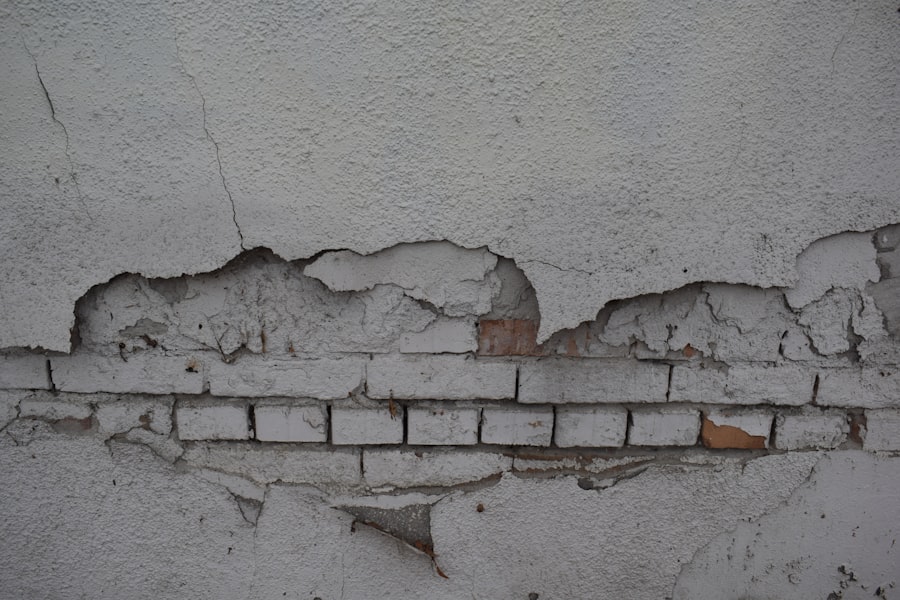
Safety should always be at the forefront of your mind when dealing with tools. If a tool is damaged or malfunctioning, it can pose serious risks not only to you but also to those around you.
For instance, a power tool with frayed wires or a broken guard can lead to accidents that result in injury.
Before using any tool that shows signs of damage, take a moment to evaluate whether it’s safe to operate. If there’s any doubt in your mind, it’s better to err on the side of caution.
Moreover, consider the safety features of your tool. Some tools come equipped with built-in safety mechanisms designed to prevent accidents. If these features are compromised due to damage or wear, it could significantly increase the risk of injury. Always prioritize safety over convenience; if a tool doesn’t feel right or seems unsafe, don’t hesitate to put it aside until you can address the issues properly.
Age of the Tool
The age of your tool plays a significant role in determining its reliability and performance. Older tools may have served you well over the years, but they can also become less efficient and more prone to breakdowns as time goes on. If your tool is several years old and has been used frequently, it’s worth considering whether it’s time for an upgrade. Newer models often come with improved technology and safety features that can enhance your experience and reduce the likelihood of issues.
However, age isn’t always a dealbreaker. Some older tools are built to last and can still perform admirably with proper maintenance and care. If you have an older tool that has sentimental value or has proven its reliability over time, it may be worth investing in repairs rather than replacing it outright. Just be honest with yourself about its limitations and whether it can still meet your needs effectively.
Availability of Replacement Parts
| Tool Condition | Repair | Replace |
|---|---|---|
| Minor damage | Yes | No |
| Major damage | Depends on cost | Yes |
| Obsolete model | No | Yes |
When considering repairs for your tool, one critical factor is the availability of replacement parts. If parts are hard to find or expensive, it could significantly impact your decision-making process. You might discover that some manufacturers have discontinued certain models or parts, making repairs impractical or even impossible. In such cases, you may need to weigh the cost of sourcing parts against purchasing a new tool altogether.
Additionally, consider whether you have the skills and tools necessary for repairs. If replacement parts are available but require specialized knowledge to install, you may find yourself in over your head. Being honest about your capabilities will help you make informed decisions about whether to tackle repairs yourself or seek professional assistance.
Frequency of Use
The frequency with which you use your tools can greatly influence their longevity and reliability. If you’re an occasional user who only pulls out your tools for specific projects, wear and tear may be minimal. However, if you use them daily or for heavy-duty tasks, they’re likely to experience more significant wear over time. This increased usage can lead to more frequent breakdowns and repairs.
Understanding how often you use your tools can also help you determine whether investing in higher-quality options is worth it. If you rely on your tools regularly for work or hobbies, spending more on durable models may save you money in the long run by reducing repair costs and downtime.
Functionality of the Tool
The functionality of your tool is another critical aspect to consider when assessing its reliability and potential for repair. Ask yourself whether the tool still meets your needs effectively or if it has become obsolete due to advancements in technology or changes in your projects. A tool that once served you well may no longer be suitable for your current tasks.
If functionality is compromised due to damage or age, it’s essential to evaluate whether repairs will restore its performance adequately. Sometimes, even after repairs, a tool may not function as well as it once did, leading to frustration and inefficiency in your work. Be honest about whether a repaired tool will meet your expectations or if it’s time to invest in something new.
Environmental Impact
In today’s world, considering the environmental impact of our choices is more important than ever. When deciding whether to repair or replace a tool, think about how each option affects the environment. Repairing tools can often be more sustainable than buying new ones since it reduces waste and extends the life of existing products.
However, not all repairs are created equal; some may involve using materials or processes that are harmful to the environment. Be mindful of how your decisions impact not just your immediate surroundings but also the planet as a whole. If possible, look for eco-friendly repair options or consider investing in tools made from sustainable materials when replacing old ones.
When faced with a damaged tool, one of the most significant decisions you’ll need to make is whether to attempt repairs yourself or hire a professional. DIY repairs can save money and give you a sense of accomplishment; however, they also come with risks—especially if you’re not experienced in handling tools or repairs. You might find yourself making mistakes that could lead to further damage or even injury.
On the other hand, hiring a professional can provide peace of mind knowing that an expert is handling the repairs. However, this option often comes with higher costs and potential delays in getting your tool back in working order. Weighing these options honestly will help you determine which route is best for your situation based on your skills, budget, and urgency.
Warranty Coverage
Before making any decisions about repairs or replacements, check if your tool is still under warranty. Many manufacturers offer warranties that cover specific types of damage or defects for a set period after purchase. If your tool qualifies for warranty coverage, this could save you significant costs associated with repairs or replacements.
However, be aware that warranties often come with stipulations regarding how repairs must be conducted and what types of damage are covered. If you’ve attempted DIY repairs before consulting a professional or if you’ve used non-approved parts, this could void your warranty altogether. Being honest about how you’ve treated your tool will help you navigate warranty claims more effectively.
Consultation with a Professional
Finally, when in doubt about any aspect of your tool’s condition or repair needs, consulting with a professional can provide valuable insights and guidance. Professionals have experience diagnosing issues that may not be immediately apparent to an untrained eye and can offer recommendations based on their expertise.
While this consultation may come at a cost, it can save you time and money in the long run by preventing unnecessary repairs or replacements. Be open about what you’ve observed regarding your tool’s performance and any attempts you’ve made at repairs; this honesty will help professionals provide tailored advice that meets your needs effectively.
In conclusion, navigating the complexities of tool reliability requires careful consideration of various factors—from assessing damage and conducting cost analyses to weighing safety concerns and environmental impacts. By being radically honest about what can go wrong at each step of this process, you’ll build trust in your decision-making abilities and ensure that you’re making informed choices that serve both your needs and those around you effectively.
FAQs
1. What factors should be considered when deciding whether to repair or replace a broken tool?
When deciding whether to repair or replace a broken tool, factors such as the cost of the repair, the age and condition of the tool, the availability of replacement parts, and the overall cost of a new tool should be taken into consideration.
2. When is it more cost-effective to repair a broken tool rather than replace it?
It is generally more cost-effective to repair a broken tool when the cost of the repair is significantly lower than the cost of purchasing a new tool. Additionally, if the tool is relatively new and in good condition aside from the specific issue, repairing it may be the more economical choice.
3. What are some signs that indicate a broken tool should be replaced rather than repaired?
Signs that indicate a broken tool should be replaced rather than repaired include extensive damage, unavailability of replacement parts, outdated technology, and the overall cost of the repair being close to or exceeding the cost of a new tool.
4. How can regular maintenance and proper usage prolong the lifespan of tools and reduce the need for repairs or replacements?
Regular maintenance, such as cleaning, lubricating, and storing tools properly, can help prevent wear and tear, corrosion, and other issues that may lead to the need for repairs or replacements. Additionally, using tools according to their intended purpose and following manufacturer guidelines can also prolong their lifespan.
5. Are there any safety considerations to keep in mind when deciding whether to repair or replace a broken tool?
When deciding whether to repair or replace a broken tool, safety should be a top priority. If a repair may compromise the safety or functionality of the tool, it is generally best to replace it. Additionally, using damaged or malfunctioning tools can pose safety hazards, so it is important to consider this when making a decision.