
When embarking on a home project, one of the first decisions you face is whether to buy or rent the tools necessary to complete the job. This debate often hinges on various factors, including cost, frequency of use, and the complexity of the project. Understanding the nuances of each option can help you make an informed decision that aligns with your needs and budget. As you weigh the pros and cons, consider not just the immediate financial implications but also the long-term value each choice offers.
The choice between buying and renting tools is not merely a financial one; it also encompasses aspects of convenience, storage, and future projects. For instance, if you anticipate using a tool frequently, purchasing it may provide better value over time. Conversely, if your project is a one-off endeavor, renting might be the more economical choice. By delving into the various factors that influence tool pricing and ownership costs, you can better understand the true value of your investment, whether it be in the form of a purchase or a rental agreement.
Key Takeaways
- The debate between buying and renting tools for home projects involves weighing the upfront cost, frequency of use, space and storage requirements, tool lifespan, project complexity, maintenance and repair costs, availability of specialized tools, convenience, accessibility, and potential resale value.
- When comparing the upfront cost of buying tools versus renting them, it’s important to consider the frequency of use for future projects to determine which option is more cost-effective in the long run.
- Owning tools may require more space and storage, while renting tools offers the advantage of not having to worry about storage when the tools are not in use.
- Purchased tools generally have a longer lifespan and better durability compared to rented ones, which may impact the decision based on the frequency and complexity of home projects.
- The complexity of home projects and the availability of specialized tools can influence the decision to buy or rent tools, as owning specialized tools may be more cost-effective for frequent use.
Cost analysis: Comparing the upfront cost of buying tools versus the cost of renting them
When you consider the upfront costs associated with buying versus renting tools, it’s essential to look beyond just the sticker price. Buying a tool often requires a significant initial investment, which can be daunting if you’re working within a tight budget. However, this cost can be offset by the potential savings over time if you plan to use the tool repeatedly. For example, purchasing a high-quality power drill may seem expensive at first glance, but if you use it for multiple projects over several years, the cost per use diminishes significantly.
On the other hand, renting tools can appear to be a more budget-friendly option initially. Rental fees are typically lower than purchase prices, allowing you to access high-end equipment without breaking the bank. However, these costs can accumulate quickly if you find yourself needing to rent the same tool multiple times. It’s crucial to calculate how many times you expect to use a rented tool and compare that to its purchase price. This analysis will help you determine which option offers better value in the long run.
Frequency of use: Considering how often the tools will be used for future projects
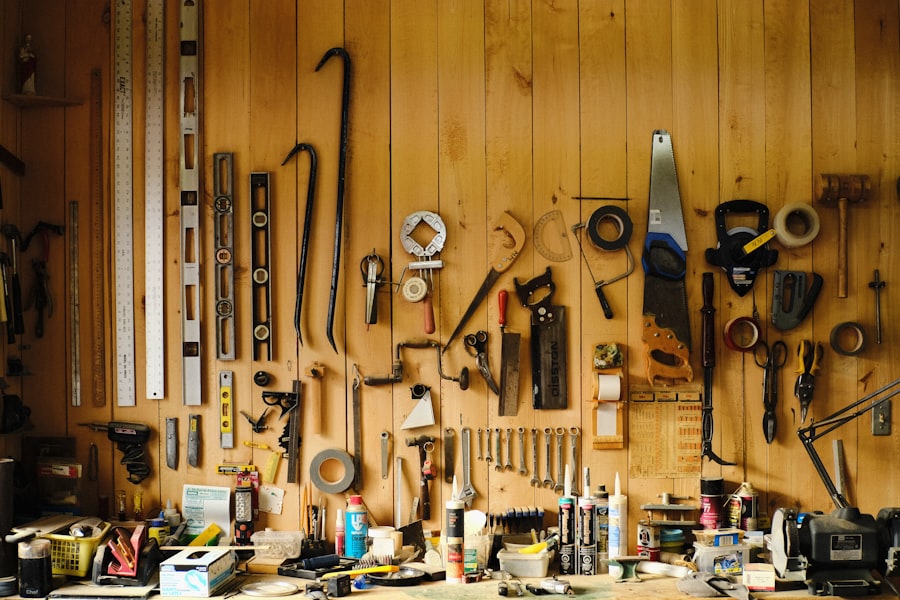
The frequency with which you plan to use a tool is a critical factor in your decision-making process. If you foresee using a particular tool regularly—perhaps for ongoing home improvement projects or maintenance tasks—investing in ownership may be worthwhile. Owning tools allows you to have them readily available whenever inspiration strikes or when an urgent repair arises. This convenience can save you time and money in the long run.
Conversely, if your projects are infrequent or limited to specific tasks, renting may be more practical. For example, if you’re only planning to lay tile once in your home, renting a tile cutter for that single project makes sense. You avoid the hassle of storing a tool you’ll rarely use and can allocate your budget toward other materials or improvements. By assessing how often you’ll need each tool, you can make a more informed decision that aligns with your project timeline and budget constraints.
Space and storage: Discussing the space and storage requirements for owning versus renting tools
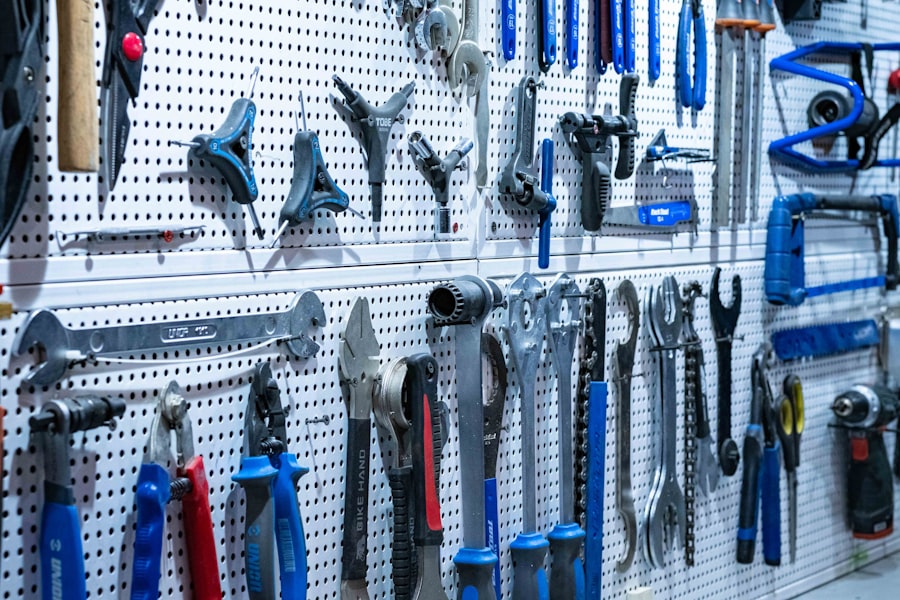
Space considerations play a significant role in deciding whether to buy or rent tools. Owning tools means you need adequate storage space to keep them organized and protected from damage. If your garage or shed is already cluttered, adding more tools could lead to disorganization and frustration. You might find yourself struggling to locate what you need when it’s time to start a project, which can delay your progress and diminish your enthusiasm.
Renting tools alleviates this concern entirely. Since rental agreements typically involve returning tools after use, you won’t have to worry about finding space for items that may only be used occasionally. This flexibility can be particularly appealing for those living in smaller homes or apartments where storage is at a premium. By considering your available space and how it impacts your ability to own tools, you can make a decision that suits both your practical needs and your lifestyle.
Tool lifespan: Exploring the durability and lifespan of purchased tools compared to rented ones
| Tool | Average Cost to Buy | Average Cost to Rent | Frequency of Use | Cost Comparison |
|---|---|---|---|---|
| Drill | 80 | 15/day | Regularly | Buy |
| Sander | 60 | 20/day | Occasionally | Rent |
| Saw | 100 | 25/day | Regularly | Buy |
The lifespan of tools is another crucial factor in your decision-making process. When you purchase high-quality tools, you’re investing in their durability and longevity. Well-made tools can last for years, providing reliable performance across multiple projects. This durability often translates into better value over time, as you won’t need to replace them frequently. Additionally, owning tools allows you to maintain them according to your standards, ensuring they remain in good working condition.
In contrast, rented tools may not always offer the same level of durability or care. Rental companies strive to maintain their inventory, but wear and tear can still occur with frequent use by various customers. You might find that rented tools are not as reliable as those you’ve purchased yourself. Furthermore, if a rented tool fails during your project, it could lead to delays and additional costs as you scramble to find a replacement. By considering the lifespan of both purchased and rented tools, you can better assess which option aligns with your expectations for quality and reliability.
Project complexity: Examining the complexity of home projects and how it impacts the decision to buy or rent tools
The complexity of your home projects significantly influences whether buying or renting tools is more appropriate. For simple tasks like painting a room or assembling furniture, renting may not be necessary; basic hand tools are often sufficient and readily available at home or through friends and family. However, as projects become more complex—such as remodeling a kitchen or building a deck—the need for specialized equipment increases.
In these cases, purchasing high-quality tools designed for specific tasks can enhance your efficiency and effectiveness. Owning these tools means you’re prepared for any challenges that arise during complex projects without having to rely on rental availability or incurring additional costs for multiple rentals. By evaluating the complexity of your upcoming projects, you can determine whether investing in ownership will provide you with the necessary resources to tackle them successfully.
Maintenance and repairs: Discussing the maintenance and repair costs associated with owning tools
Owning tools comes with its own set of responsibilities, particularly regarding maintenance and repairs. While purchasing high-quality equipment can minimize these costs over time, it’s essential to factor in routine upkeep when considering ownership. Tools require regular cleaning, lubrication, and occasional repairs to ensure they function optimally. If you’re not prepared for this commitment, ownership may become burdensome.
On the other hand, when you rent tools, maintenance is typically handled by the rental company. This means you can focus solely on your project without worrying about upkeep or repairs. However, it’s important to note that rental fees may reflect this convenience; you’re paying not only for access to the tool but also for its maintenance and care. By weighing these considerations against your willingness to invest time and effort into maintaining owned tools, you can make an informed decision that aligns with your preferences.
Specialized tools: Considering the cost and availability of specialized tools for specific projects
Some home projects require specialized tools that may not be readily available for purchase or may come with a hefty price tag. In such cases, renting can be an attractive option that allows you access to high-quality equipment without making a significant financial commitment.
For instance, if you’re planning to install crown molding or undertake intricate woodworking tasks, specialized saws or routers may be necessary.
Renting these specialized tools enables you to complete your project without incurring the full cost of ownership. Additionally, rental companies often carry a wide range of equipment that may not be practical for individual homeowners to purchase due to limited use cases. By considering the availability and cost of specialized tools in relation to your project needs, you can determine whether renting provides a more feasible solution than purchasing.
Convenience and accessibility: Exploring the convenience and accessibility of owning versus renting tools
Convenience is another critical factor when deciding between buying and renting tools. Owning your own equipment means having immediate access whenever inspiration strikes or an urgent repair arises. You won’t have to worry about rental hours or availability; simply grab what you need from your storage space and get started on your project.
However, renting offers its own convenience in terms of access to high-quality equipment without the burden of ownership responsibilities. Rental companies often provide flexible hours and locations that make it easy for you to pick up what you need when it’s most convenient for you. Additionally, if you’re unsure about which tool is best suited for your project, rental companies often have knowledgeable staff who can guide you in selecting the right equipment for your needs.
Resale value: Discussing the potential resale value of purchased tools compared to the sunk cost of renting
When considering whether to buy or rent tools, it’s essential to think about resale value as part of your overall cost analysis. Purchased tools can retain some value over time; should you decide that you no longer need them, selling them can recoup some of your initial investment. This potential return on investment adds an extra layer of financial consideration when weighing ownership against rental options.
In contrast, rental fees are essentially sunk costs; once you’ve paid them, there’s no opportunity for recovery. While renting may seem cheaper upfront for one-time projects, those costs add up quickly if you’re not careful about how often you’re renting similar equipment. By factoring in potential resale value when deciding whether to buy or rent tools, you can make a more informed choice that considers both immediate expenses and long-term financial implications.
Summarizing the factors to consider when deciding whether to buy or rent tools for home projects
In conclusion, deciding whether to buy or rent tools for home projects involves careful consideration of various factors including cost analysis, frequency of use, space requirements, tool lifespan, project complexity, maintenance responsibilities, availability of specialized equipment, convenience factors, and potential resale value. Each element plays a crucial role in determining which option aligns best with your needs and budget.
Ultimately, there is no one-size-fits-all answer; what works for one homeowner may not suit another’s circumstances or preferences. By taking the time to evaluate these factors thoughtfully, you’ll be better equipped to make an informed decision that maximizes both value and satisfaction as you embark on your home improvement journey. Whether you choose ownership or rental agreements will depend on your unique situation—but understanding these considerations will empower you as a savvy consumer in the world of home improvement tools.
FAQs
1. What are the factors to consider when deciding whether to buy or rent tools for home projects?
When deciding whether to buy or rent tools for home projects, it’s important to consider the frequency of use, the cost of the tool, the storage space available, and the potential resale value of the tool.
2. Are there certain tools that are more cost-effective to buy rather than rent?
Yes, certain tools that are used frequently or have a high resale value may be more cost-effective to buy rather than rent. Examples include power drills, saws, and other commonly used hand tools.
3. What are the advantages of renting tools for home projects?
Renting tools for home projects can be advantageous for one-time or infrequent use, as it eliminates the need for storage space and maintenance costs. It also allows access to specialized or expensive tools without the upfront investment.
4. What are the disadvantages of renting tools for home projects?
The disadvantages of renting tools for home projects include the potential for higher long-term costs for frequently used tools, limited availability of certain tools, and the lack of ownership and control over the tool’s condition.
5. How can I determine whether it’s cheaper to buy or rent tools for a specific home project?
To determine whether it’s cheaper to buy or rent tools for a specific home project, calculate the total cost of ownership for buying the tool (including purchase price, maintenance, and potential resale value) and compare it to the cost of renting the tool for the duration of the project.