

Common Tool Problems and Prevention: A Repair Technician’s Perspective
Having worked extensively as a repair technician, I’ve observed many tool-related issues that frequently challenge both amateur and professional users. Tools are fundamental components for completing projects across domestic and commercial settings, yet their performance can deteriorate because of several identifiable factors, resulting in reduced efficiency and safety concerns. Recognizing common tool problems is essential for anyone who depends on these implements regularly.
Tool issues typically stem from inadequate maintenance, incorrect usage techniques, or environmental exposure. Early identification of these problems can significantly reduce replacement costs and project delays. Proper tool care extends operational lifespan and maintains optimal performance levels.
This guide examines the most frequent tool-related challenges and their preventive measures. Each section draws on technical expertise gained through hands-on repair experience. The information provided aims to help users implement effective tool maintenance practices and proper usage techniques to maximize durability and functionality.
Important points
- Proper maintenance is essential to prevent tool problems and extend tool life.
- Using the correct tool for each job ensures efficiency and safety.
- Poor quality tools and improper storage can lead to frequent malfunctions.
- Ignoring safety guidelines and manufacturer instructions increases the risk of accidents.
- Regularly inspecting tools for wear and using them in appropriate environments helps avoid damage.
Lack of Proper Maintenance
One of the most significant contributors to tool problems is a lack of proper maintenance. Just like any machine, tools require regular care to function optimally. Neglecting routine maintenance can lead to diminished performance, breakdowns, and even safety hazards.
For instance, if you own a power tool, failing to clean it after use can result in dust and debris buildup that affects its operation. Regularly checking for loose screws, worn-out parts, and ensuring that blades are sharp can make a world of difference in how your tools perform. To prevent maintenance-related issues, establish a routine that includes cleaning, lubricating moving parts, and inspecting for wear and tear.
This doesn’t have to be a time-consuming process; even a few minutes after each use can extend the life of your tools significantly. Remember, investing time in maintenance now will save you from costly repairs or replacements down the line.
Using the Wrong Tool for the Job
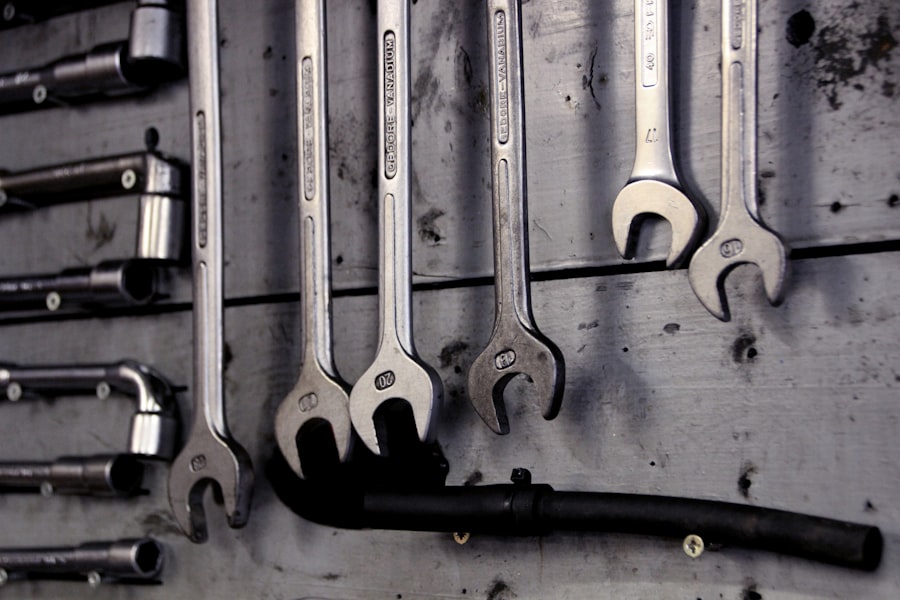
Another common mistake I’ve seen is using the wrong tool for a specific task. It might seem tempting to grab whatever is handy, especially when you’re in a hurry, but this can lead to subpar results and even damage to both the tool and the material you’re working with. For example, using a hammer instead of a mallet on delicate surfaces can cause dents and scratches, while employing a screwdriver as a pry bar can ruin its tip.
To avoid this pitfall, take the time to assess your project and select the appropriate tools. Familiarize yourself with the various tools available and their intended uses. If you’re unsure which tool is best for a particular job, don’t hesitate to consult resources or ask for advice from experienced individuals.
The right tool not only makes your work easier but also ensures that you achieve the best possible results.
Poor Quality Tools
The quality of your tools plays a significant role in their performance and longevity. Investing in low-quality tools may save you money upfront, but it often leads to frustration and additional costs in the long run. Cheap tools are more prone to breaking or malfunctioning, which can hinder your progress and even pose safety risks.
I’ve seen many individuals struggle with tools that simply aren’t up to the task because they opted for budget options instead of reliable brands. When purchasing tools, prioritize quality over price. Look for reputable brands known for their durability and performance.
While it may require a larger initial investment, high-quality tools will pay off by providing consistent results and lasting reliability. Consider reading reviews or seeking recommendations from trusted sources before making a purchase.
Improper Storage and Handling
| Problem | Description | Common Cause | How to Avoid | Impact |
|---|---|---|---|---|
| Dull Blades | Blades lose sharpness, reducing cutting efficiency. | Frequent use without sharpening, improper storage. | Regularly sharpen blades and store tools properly. | Increased effort, poor quality cuts, tool damage. |
| Rust and Corrosion | Metal parts oxidize, weakening the tool. | Exposure to moisture, lack of cleaning. | Keep tools dry, clean after use, apply protective coatings. | Reduced lifespan, compromised tool strength. |
| Loose Handles | Handles detach or wobble during use. | Wear and tear, poor assembly. | Inspect handles regularly and tighten or replace as needed. | Safety hazards, decreased control. |
| Battery Failure | Power tools fail to hold charge or operate. | Overcharging, improper storage, old batteries. | Follow charging guidelines and store batteries properly. | Downtime, reduced productivity. |
| Overheating | Tools become excessively hot during use. | Extended use without breaks, clogged vents. | Allow cooling periods and clean ventilation regularly. | Damage to tool components, safety risks. |
| Incorrect Tool Use | Using tools for unintended purposes. | Lack of knowledge, convenience. | Use tools only as designed and read manuals. | Tool damage, injury risk. |
| Improper Storage | Tools stored in unsuitable environments. | Humidity, cluttered spaces. | Store in dry, organized areas with protective cases. | Damage, loss, rust. |
| Worn Out Parts | Components degrade over time, affecting performance. | Heavy use, lack of maintenance. | Regularly inspect and replace worn parts. | Reduced efficiency, breakdowns. |
| Improper Calibration | Tools not set to correct specifications. | Neglect, lack of skill. | Calibrate tools according to manufacturer instructions. | Inaccurate results, material waste. |
| Safety Neglect | Ignoring safety protocols during tool use. | Rushing, lack of training. | Wear protective gear and follow safety guidelines. | Injuries, accidents. |
How you store and handle your tools can significantly affect their lifespan and functionality. Leaving tools exposed to moisture or extreme temperatures can lead to rusting or degradation of materials. Similarly, tossing them into a toolbox without organization can cause damage or loss of smaller components.
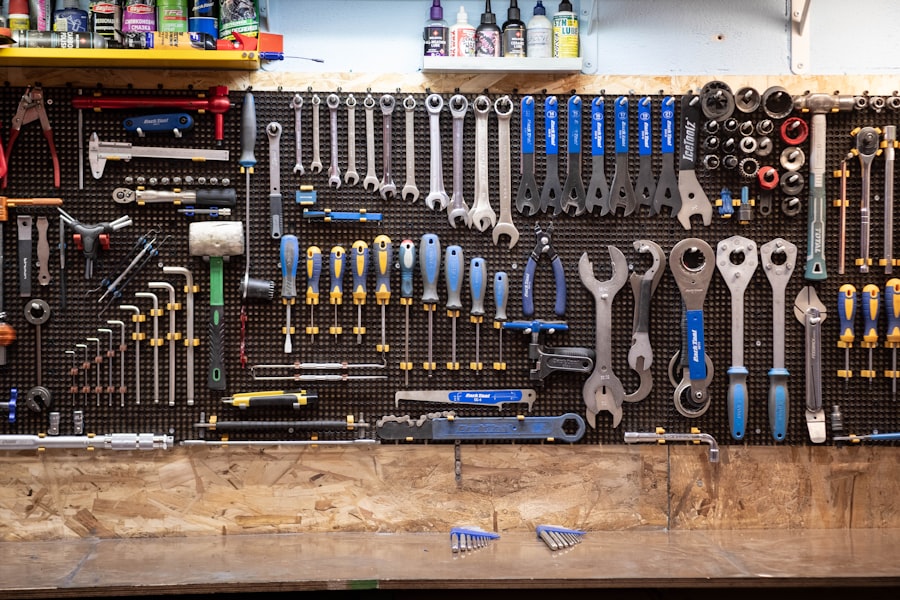
I’ve seen many cases where improper storage led to tools becoming unusable simply because they weren’t cared for properly. To prevent these issues, invest in proper storage solutions such as toolboxes or pegboards that keep your tools organized and protected from environmental factors. Make it a habit to return tools to their designated spots after use, ensuring they remain in good condition for future projects.
By treating your tools with respect and care during storage and handling, you’ll extend their life and maintain their effectiveness.
Overworking the Tool
Every tool has its limits, and pushing it beyond those limits can lead to serious problems. Overworking a tool not only increases the risk of breakdowns but also compromises safety. For instance, using a drill continuously without allowing it to cool down can cause overheating, leading to motor failure or even fires in extreme cases.
I’ve witnessed firsthand how overexerting tools can cause costly repairs or replacements that could have been avoided with proper usage. To avoid overworking your tools, be mindful of their specifications and recommended usage guidelines. Take breaks during prolonged tasks to allow your tools to cool down and recover.
If you frequently push your tools to their limits, it may be time to reassess your approach or invest in more powerful equipment designed for heavy-duty tasks.
Ignoring Safety Precautions
Safety should always be a top priority when using any tool. Unfortunately, many individuals overlook essential safety precautions, leading to accidents that could have been easily avoided. Whether it’s neglecting to wear protective gear or failing to follow safety protocols specific to certain tools, these oversights can have serious consequences.
I’ve seen injuries occur simply because someone didn’t take the time to prioritize safety measures. To ensure your safety while using tools, always read and understand the safety guidelines provided by manufacturers. Invest in personal protective equipment (PPE) such as goggles, gloves, and ear protection as needed.
Create a safe workspace by keeping it organized and free from hazards that could lead to accidents. By making safety a priority, you’ll not only protect yourself but also create an environment conducive to productive work.
Not Following Manufacturer Instructions
Every tool comes with manufacturer instructions that provide valuable information on its proper use and maintenance. Ignoring these guidelines can lead to misuse and potential damage to both the tool and the materials you’re working with. I’ve encountered numerous situations where individuals faced issues simply because they didn’t take the time to read the instructions or follow recommended practices.
To avoid this common mistake, always familiarize yourself with the manufacturer’s instructions before using any new tool. These guidelines often include important details about setup, operation, maintenance schedules, and troubleshooting tips. By adhering to these instructions, you’ll maximize your tool’s performance and minimize the risk of problems arising from improper use.
Ignoring Signs of Wear and Tear
Tools don’t last forever; they experience wear and tear over time because of regular use. Ignoring the signs of deterioration can lead to more significant issues down the line. For example, if you notice that a saw blade is becoming dull or that a power tool is making unusual noises, it’s essential not to dismiss these warning signs.
Addressing wear and tear promptly can prevent further damage and ensure your tools remain safe and effective.
Make it a habit to regularly inspect your tools for signs of wear or damage.
Look for frayed cords, rusted components, or any irregularities that could indicate a problem.
If you identify any issues, take action immediately—whether that means sharpening blades, replacing parts, or seeking professional repairs. By staying vigilant about wear and tear, you’ll prolong the life of your tools and maintain their performance.
Using Tools in the Wrong Environment
The environment in which you use your tools can significantly affect their performance and longevity. Using power tools in damp or excessively dusty conditions can lead to malfunctions or damage. Similarly, exposing hand tools to harsh chemicals or extreme temperatures can compromise their integrity.
I’ve seen many individuals struggle with tool issues simply because they didn’t consider the environment in which they were working. To avoid these problems, assess your workspace before starting any project. Ensure that it’s suitable for the type of work you’re doing and that it won’t expose your tools to unnecessary risks.
If you must work in less-than-ideal conditions, take precautions such as using protective covers or ensuring proper ventilation when using chemicals. By being mindful of your environment, you’ll help safeguard your tools against potential damage.
Conclusion and Tips for Avoiding Tool Problems
In conclusion, understanding common tool problems is essential for anyone who relies on them for projects big or small. By prioritizing proper maintenance, using the right tools for each job, investing in quality equipment, storing them correctly, avoiding overwork, adhering to safety precautions, following manufacturer instructions, addressing wear and tear promptly, and considering environmental factors, you can significantly reduce the likelihood of encountering issues with your tools. Remember that taking proactive steps today will save you time and money tomorrow.
Regularly inspect your tools, establish maintenance routines, and educate yourself about best practices for usage and care. By treating your tools with respect and diligence, you’ll ensure they remain reliable partners in all your endeavors—whether at home or on the job site. With these tips in mind, you’ll be well-equipped to tackle any project with confidence and efficiency.
FAQs
What are common problems encountered with tools?
Common problems with tools include dull blades, rust and corrosion, improper storage, incorrect usage, lack of maintenance, loose parts, electrical issues, worn-out components, safety hazards, and compatibility issues with other equipment.
How can I prevent my tools from rusting?
To prevent rust, keep tools clean and dry, apply a light coat of oil or rust inhibitor, store them in a dry environment, and use silica gel packs or dehumidifiers in tool storage areas.
Why is regular maintenance important for tools?
Regular maintenance ensures tools function properly, extends their lifespan, improves safety, and helps avoid costly repairs or replacements by identifying and addressing issues early.
What is the best way to store tools to avoid damage?
Store tools in a clean, dry place, preferably in a toolbox or on a pegboard. Use protective cases for delicate tools and avoid stacking heavy items on top of them to prevent damage.
How can I avoid safety hazards when using tools?
Always use the correct tool for the job, wear appropriate personal protective equipment (PPE), follow manufacturer instructions, keep tools in good condition, and ensure your work area is clean and well-lit.
What should I do if a tool is not working properly?
Stop using the tool immediately, inspect it for visible damage or wear, consult the user manual for troubleshooting tips, and if necessary, have it repaired by a professional or replaced.
How often should I sharpen or replace tool blades?
Sharpen blades regularly based on usage frequency and the material being cut. Replace blades when sharpening no longer restores their effectiveness or if they are damaged.
Can improper tool use cause damage to the tool or workpiece?
Yes, using tools incorrectly can damage both the tool and the workpiece, reduce tool lifespan, and increase the risk of accidents or injury.
What are signs that a tool needs repair or replacement?
Signs include unusual noises, difficulty operating, visible cracks or wear, loose parts, electrical malfunctions, and decreased performance.
How can I ensure compatibility between tools and accessories?
Check the manufacturer specifications, use accessories designed for your specific tool model, and avoid mixing parts from different brands unless explicitly compatible.