
Power tool pricing varies significantly across different models and brands due to multiple contributing factors. Understanding these variables enables consumers to make informed purchasing decisions based on their specific requirements and budget constraints. Several key elements influence power tool costs, including brand reputation, construction materials, manufacturing quality, motor specifications, battery technology, and included features.
Professional-grade tools typically command higher prices than consumer-oriented models due to enhanced durability, precision, and performance capabilities designed for frequent use in demanding applications. Brand positioning also affects pricing structures. Established manufacturers with strong market presence often price their products at premium levels, while newer or lesser-known brands may offer competitive pricing to gain market share.
Additionally, research and development investments, warranty coverage, and customer support services contribute to overall product costs. This analysis examines the primary factors that determine power tool pricing across different market segments. By understanding these pricing components, consumers can evaluate tools based on their intended use, frequency of operation, and performance requirements rather than price alone.
This knowledge helps identify the optimal balance between cost and functionality for specific applications, whether for occasional home projects or regular professional use.
Key Takeaways
- Power tool prices vary based on brand, quality, power source, and included features.
- Well-known brands often charge more due to reputation and reliability.
- Comparing prices involves evaluating features, warranties, and seller reputation.
- Buying used or refurbished tools can save money but requires careful inspection.
- Finding the best deals involves shopping around, using discounts, and considering long-term value.
Factors Affecting Power Tool Cost
The cost of power tools is influenced by several key factors, each playing a role in determining the final price tag. One of the most significant aspects is the technology and engineering behind the tool. Advanced features, such as brushless motors or enhanced battery life, often come at a premium.
These innovations can improve efficiency and longevity, making them worth the investment for serious users. However, if you’re a casual DIYer, you might find that simpler models meet your needs without breaking the bank. Another important factor is the materials used in manufacturing.
Tools made from high-quality metals and durable plastics tend to be more expensive due to their longevity and performance capabilities. While it may be tempting to opt for cheaper alternatives, consider how often you’ll use the tool and whether it justifies the cost. Investing in a higher-quality tool can save you money in the long run by reducing the need for replacements or repairs.
Brand and Reputation
Brand reputation plays a crucial role in power tool pricing. Well-established brands often command higher prices due to their history of reliability and customer satisfaction. When you choose a reputable brand, you’re not just paying for the name; you’re also investing in a level of assurance regarding quality and performance.
These brands typically offer warranties and customer support that can provide peace of mind, especially for more expensive purchases. However, it’s essential to balance brand loyalty with your specific needs. Some lesser-known brands may offer comparable quality at a lower price point.
Researching user reviews and expert opinions can help you identify these hidden gems. By weighing brand reputation against your budget and requirements, you can make a more informed decision that doesn’t compromise on quality.
Quality and Durability
Quality and durability are paramount when it comes to power tools. A tool that breaks down after a few uses can lead to frustration and additional costs. Higher-quality tools are often constructed with better materials and undergo more rigorous testing, which contributes to their longevity.
When evaluating a tool’s quality, consider factors such as its weight, feel, and construction materials. A well-built tool will not only perform better but also provide a safer experience during use. Durability is particularly important for those who plan to use their tools frequently or in demanding conditions.
If you’re working on heavy-duty projects or in environments where tools are subjected to wear and tear, investing in durable options is wise. While these tools may come with a higher upfront cost, their ability to withstand rigorous use can ultimately save you money over time by reducing replacement frequency.
Power Source
| Power Tool Type | Average Price Range | Key Factors Affecting Cost | Tips to Save |
|---|---|---|---|
| Drills | 50 – 300 | Brand, battery type, power, included accessories | Buy during sales, consider refurbished models, choose cordless for flexibility |
| Saws (Circular, Jigsaw) | 70 – 400 | Blade quality, motor power, brand reputation, safety features | Compare brands, buy combo kits, look for seasonal discounts |
| Sanders | 40 – 250 | Type (orbital, belt), dust collection system, motor speed | Purchase during clearance, consider less popular brands, buy used |
| Impact Drivers | 60 – 350 | Torque, battery compatibility, brand, included bits | Bundle with drills, shop off-season, use coupons |
| Angle Grinders | 50 – 300 | Disc size, motor power, safety guards, brand | Buy from trusted retailers, wait for promotions, consider corded models |
The power source of a tool significantly impacts its cost and usability. Corded tools tend to be less expensive than their cordless counterparts because they don’t require batteries or charging systems. However, corded tools can limit mobility and may not be suitable for all projects, especially those in remote locations or outdoor settings.
If you value portability and convenience, investing in cordless tools may be worth the extra expense. On the other hand, cordless tools have advanced significantly in recent years, with battery technology improving to provide longer run times and faster charging capabilities. While these features can increase the price, they also enhance usability and efficiency.
When considering power sources, think about your typical projects and how often you’ll need to move around while working. This will help you determine whether the added cost of cordless tools aligns with your needs.
Features and Accessories
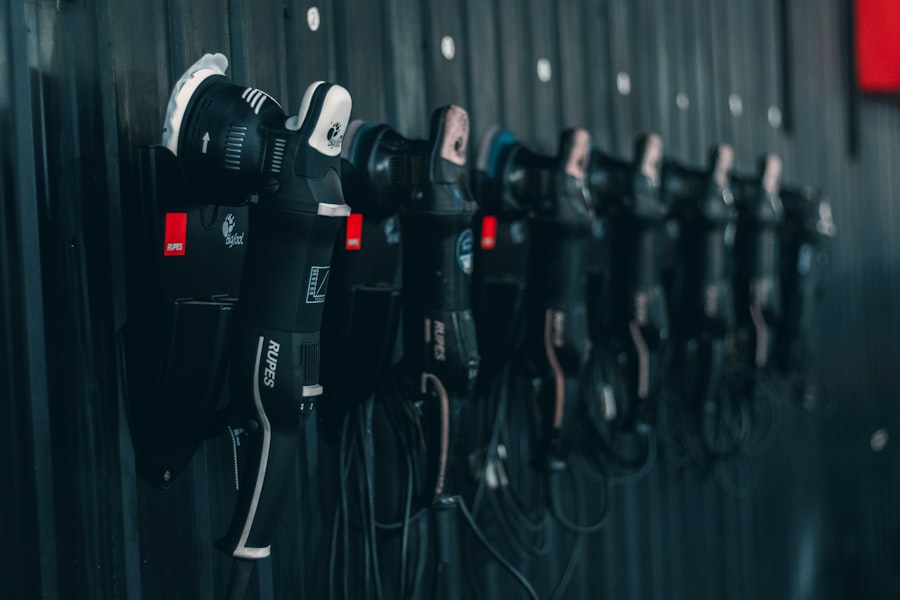
The features and accessories included with power tools can greatly influence their pricing. Tools equipped with advanced features—such as variable speed settings, built-in lights, or integrated dust collection—often come at a higher price point but can enhance your overall experience and efficiency. For instance, a drill with multiple speed settings allows for greater control over different materials, making it a versatile addition to your toolkit.
Accessories also play a role in the overall cost of power tools. Some manufacturers bundle essential accessories like drill bits or carrying cases with their products, which can add value to your purchase. However, be cautious of tools that seem inexpensive but lack necessary accessories; you may end up spending more in the long run to acquire what you need separately.
When evaluating features and accessories, consider how they align with your specific projects and whether they justify any additional costs.
How to Compare Prices
Comparing prices effectively requires a strategic approach. Start by identifying the specific tools you need for your projects and creating a list of potential options within your budget range. Once you have this list, research various retailers—both online and brick-and-mortar—to gather pricing information.
Pay attention to sales events or seasonal promotions that could offer significant savings. Additionally, consider using price comparison websites or apps that allow you to see multiple retailers’ prices side by side. This can save you time and help ensure you’re getting the best deal available.
Don’t forget to factor in shipping costs or potential taxes when comparing online prices; sometimes an initially lower price can end up being more expensive once these additional costs are included.
Where to Find the Best Deals
Finding the best deals on power tools often requires some legwork but can lead to substantial savings. Start by checking major home improvement stores during sales events like Black Friday or Labor Day; these occasions often feature significant discounts on popular brands. Additionally, many retailers offer clearance sections where you can find high-quality tools at reduced prices.
Online marketplaces like Amazon or eBay can also be excellent sources for deals on both new and used tools. Just be sure to read reviews and check seller ratings before making a purchase to ensure you’re buying from a reputable source. Signing up for newsletters from your favorite retailers can keep you informed about upcoming sales or exclusive discounts that may not be widely advertised.
Tips for Saving Money on Power Tools
Saving money on power tools doesn’t have to mean sacrificing quality or performance. One effective strategy is to buy during off-peak seasons when demand is lower; this often leads to better discounts as retailers look to clear inventory. Additionally, consider purchasing multi-tool kits instead of individual items; these kits often provide better value by bundling several tools together at a reduced price.
Another tip is to take advantage of loyalty programs or credit card rewards offered by retailers. Many stores provide points or cash back on purchases that can be redeemed for future discounts or free items. Finally, don’t overlook the potential savings from buying refurbished tools; these items are often tested for quality and come at a fraction of the original price while still offering reliable performance.
Considerations for Used and Refurbished Tools
When considering used or refurbished power tools, there are several factors to keep in mind to ensure you make a wise investment. First, assess the condition of the tool carefully; look for signs of wear or damage that could affect its performance. If possible, test the tool before purchasing to ensure it operates smoothly and meets your expectations.
Refurbished tools can be an excellent option if they come from reputable manufacturers or retailers that offer warranties or guarantees on their products. These tools have typically been inspected and repaired to meet original specifications, providing peace of mind at a lower cost than new items. However, always verify the return policy before making a purchase; this will give you an added layer of protection should the tool not meet your needs.
Making Informed Purchasing Decisions
Navigating the world of power tool pricing doesn’t have to be daunting if you approach it with knowledge and strategy. By understanding the various factors that influence costs—such as brand reputation, quality, power source, features, and accessories—you can make informed decisions that align with your budget and project requirements. Remember that while it’s tempting to go for the lowest price available, considering long-term value is crucial for ensuring satisfaction with your purchase.
By comparing prices effectively, seeking out deals, and being open to used or refurbished options when appropriate, you can build a reliable toolkit without overspending. Ultimately, making informed purchasing decisions will empower you as a DIYer, allowing you to tackle projects with confidence and skill.
FAQs
What factors influence the price of power tools?
Several factors affect power tool pricing, including brand reputation, tool quality, features, power source (corded vs. cordless), battery technology, included accessories, and warranty coverage. Higher-end models often have advanced features and better durability, which can increase cost.
Are cordless power tools more expensive than corded ones?
Generally, cordless power tools tend to be more expensive than corded models due to the cost of batteries and advanced battery technology. However, cordless tools offer greater portability and convenience, which can justify the higher price for many users.
How does brand affect power tool pricing?
Well-known and reputable brands often charge higher prices because of their established quality, reliability, and customer support. Lesser-known or generic brands may offer lower prices but might compromise on durability or performance.
Can buying power tools in a kit save money?
Yes, purchasing power tools in a kit or bundle often provides cost savings compared to buying each tool separately. Kits usually include multiple tools and accessories at a discounted price, making them a good value for users needing several tools.
What are some tips to save money when buying power tools?
To save money, consider buying during sales or holiday promotions, purchasing refurbished or open-box items from reputable sellers, opting for mid-range models that balance cost and quality, and buying only the tools you need rather than large kits.
Does warranty coverage affect the price of power tools?
Yes, power tools with longer or more comprehensive warranties may have higher upfront costs. However, a good warranty can provide peace of mind and potentially save money on repairs or replacements in the long run.
Are professional-grade power tools worth the higher price?
Professional-grade tools are designed for heavy use and typically offer better durability, performance, and features. While they cost more, they can be a worthwhile investment for frequent users or professionals who rely on their tools daily.
How does battery technology impact the cost of cordless power tools?
Advancements in battery technology, such as lithium-ion batteries, improve runtime and reduce weight but can increase the cost of cordless power tools. Higher capacity or faster-charging batteries also contribute to higher prices.
Is it better to buy power tools online or in-store?
Both options have pros and cons. Online shopping often offers better prices and a wider selection, while in-store purchases allow you to test tools and get immediate assistance. Comparing prices and checking return policies can help you make the best choice.
Do power tool prices vary by region or country?
Yes, prices can vary based on local taxes, import duties, shipping costs, and market demand. It’s advisable to compare prices from multiple sources and consider these factors when purchasing power tools internationally.