
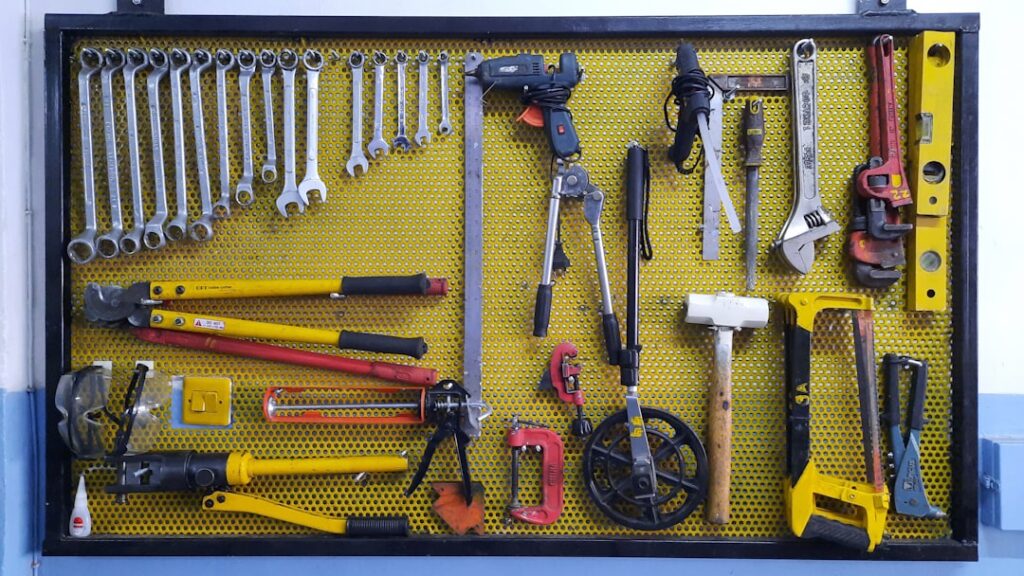

When it comes to tool pricing, the quality of materials used in their construction plays a pivotal role. You might find that tools made from high-grade steel or advanced composites come with a higher price tag. This is not merely a reflection of the brand’s markup; rather, it signifies the investment in materials that enhance performance and longevity. For instance, tools crafted from stainless steel are often resistant to rust and corrosion, making them ideal for various environments. In contrast, cheaper alternatives may use lower-quality metals that can wear down quickly, leading to frequent replacements and ultimately higher costs over time.
Understanding the significance of material quality can help you make informed purchasing decisions. While it may be tempting to opt for the least expensive option, consider the long-term implications. A tool made from superior materials may cost more upfront but can save you money in the long run by reducing the need for replacements and repairs. By investing in high-quality tools, you are not just buying a product; you are investing in reliability and performance that can enhance your work efficiency.
Key Takeaways
- High-quality materials and precision engineering ensure superior durability and performance.
- Advanced research, specialized features, and rigorous testing contribute to product efficiency and reliability.
- Warranty and customer support reflect brand confidence and enhance user trust.
- Production and development costs impact pricing but support innovation and quality assurance.
- Brand reputation and target market influence product design, features, and overall market positioning.
Precision Engineering
Precision engineering is another critical factor that influences tool pricing. Tools that are designed with meticulous attention to detail often come with a higher price tag due to the advanced manufacturing processes involved. When you choose a tool that has been engineered for precision, you are ensuring that it will perform its intended function with accuracy and reliability. This is particularly important in fields such as woodworking, metalworking, or automotive repair, where even the slightest deviation can lead to significant errors.
Moreover, precision-engineered tools often incorporate advanced technologies that enhance their usability. For example, laser-cut components or CNC-machined parts can provide a level of accuracy that is difficult to achieve with standard manufacturing methods. While these tools may require a larger initial investment, their ability to deliver consistent results can lead to greater efficiency and productivity in your projects. Ultimately, understanding the value of precision engineering can help you appreciate why some tools are priced higher than others.
Durability and Longevity
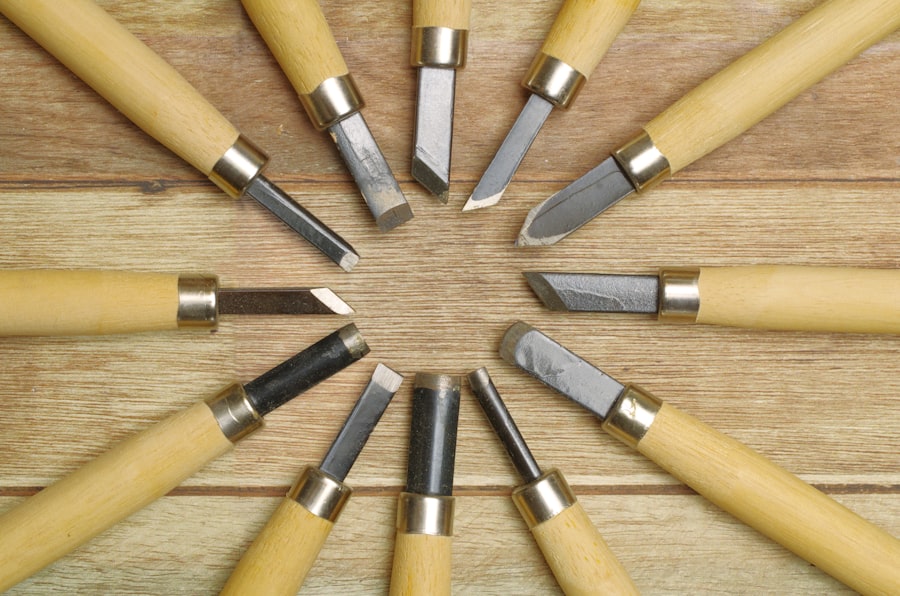
Durability is a key consideration when evaluating tool pricing. Tools that are built to withstand heavy use and harsh conditions typically command higher prices due to their robust construction.
When you invest in durable tools, you are essentially purchasing peace of mind; knowing that your tools can handle the rigors of your work environment without failing is invaluable.
For instance, a hammer made from forged steel will likely outlast one made from cheaper materials, saving you the hassle and expense of frequent replacements.
Longevity also ties into ownership costs. A durable tool may have a higher upfront cost, but if it lasts significantly longer than its cheaper counterparts, it can actually be more economical over time. You should consider not just the initial purchase price but also how often you will need to replace or repair a tool. By choosing durable options, you can minimize downtime and maximize productivity, making your investment worthwhile in the long run.
Performance and Efficiency
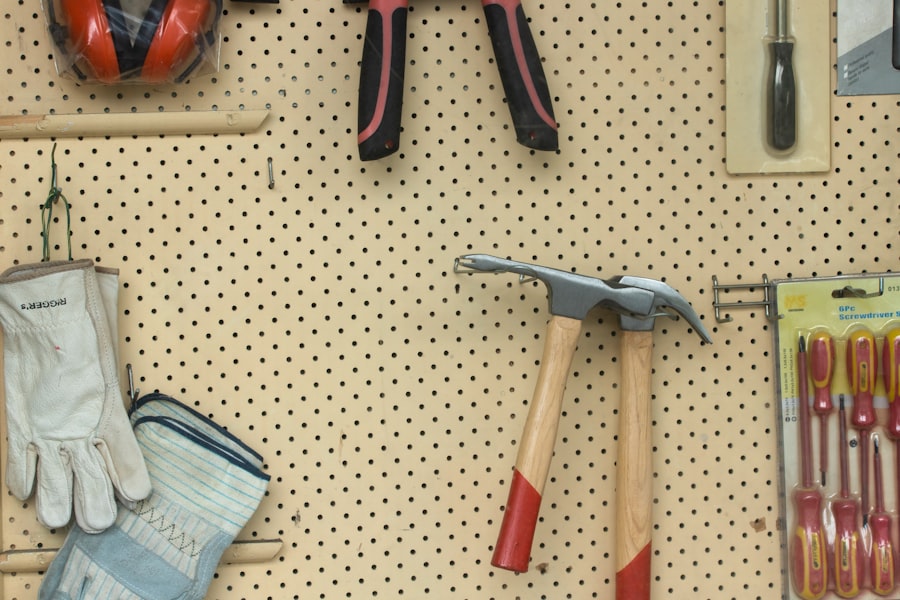
The performance and efficiency of a tool are crucial factors that directly impact its pricing. Tools designed for optimal performance often incorporate advanced features that enhance their functionality. For example, a high-performance drill may offer variable speed settings and torque adjustments, allowing you to tackle a wider range of tasks with ease. While these features may increase the cost of the tool, they also provide significant value by improving your work efficiency.
When evaluating performance, consider how much time and effort a tool can save you. A more efficient tool can help you complete tasks faster and with greater precision, which is especially important in professional settings where time is money. By investing in tools that prioritize performance, you are not just paying for a product; you are investing in your own productivity and success.
Warranty and Support
| Factor | Professional-Grade Tools | DIY Models | Impact on Cost |
|---|---|---|---|
| Build Quality | High-quality materials and durable construction | Lower-cost materials, less durable | Increases cost due to longevity and reliability |
| Performance | Higher power, precision, and efficiency | Basic performance suitable for occasional use | Higher performance demands more advanced engineering |
| Research & Development | Extensive R&D investment for innovation and safety | Minimal R&D, often based on existing designs | R&D costs are factored into the price |
| Warranty & Support | Comprehensive warranties and professional customer support | Limited warranty and support options | Added value increases overall cost |
| Certification & Compliance | Meets industry standards and certifications | May lack formal certifications | Certification processes add to manufacturing costs |
| Production Volume | Lower production volume, specialized manufacturing | Mass-produced, economies of scale | Lower volume increases per-unit cost |
| Intended Usage | Designed for frequent, heavy-duty use | Designed for occasional, light use | Durability requirements increase cost |
A robust warranty and customer support system can significantly influence tool pricing. Tools that come with extensive warranties often reflect the manufacturer’s confidence in their product’s quality and durability. When you purchase a tool with a solid warranty, you gain an added layer of protection against defects or failures. This assurance can justify a higher price point, as it indicates that the manufacturer stands behind their product.
Additionally, customer support plays a vital role in your overall experience with a tool. A company that offers responsive support can help you troubleshoot issues or provide guidance on proper usage, enhancing your satisfaction with the purchase. When considering the cost of a tool, factor in the potential benefits of having reliable support and warranty coverage; these elements can add significant value to your investment.
Research and Development Costs
Research and development (R&D) costs are often hidden factors that contribute to tool pricing. Companies that invest heavily in R&D are typically focused on innovation and improving their products’ performance and features. This investment can lead to groundbreaking tools that offer enhanced functionality or efficiency compared to older models. While these innovative tools may come at a premium price, they often provide significant advantages that justify the cost.
By understanding the importance of R&D in tool pricing, you can appreciate why some brands charge more than others. Investing in tools developed through rigorous research means you are likely getting access to the latest technology and advancements in the field. This can translate into better performance, increased safety features, and improved user experience—all of which contribute to the overall value of your purchase.
Specialized Features and Functions
Specialized features and functions can greatly affect tool pricing as well. Tools designed for specific applications often come equipped with unique capabilities that enhance their usability for particular tasks. For instance, a multi-tool designed for electricians may include specialized wire strippers and crimpers that standard pliers do not offer. While these specialized tools may be more expensive than general-purpose options, they provide targeted solutions that can make your work easier and more efficient.
When considering specialized tools, think about how often you will use those specific features. If you frequently engage in tasks that require specialized functions, investing in such tools can save you time and effort while delivering superior results. Ultimately, understanding the value of specialized features allows you to make informed decisions about which tools will best meet your needs.
Testing and Certification
The testing and certification process is another crucial aspect influencing tool pricing. Tools that undergo rigorous testing to meet industry standards often come with higher price tags due to the additional quality assurance measures involved. Certification from recognized organizations indicates that a tool has met specific safety and performance criteria, providing peace of mind for users.
When purchasing tools, consider whether they have been tested and certified by reputable organizations. This not only ensures quality but also reflects the manufacturer’s commitment to producing safe and reliable products. While certified tools may cost more upfront, their proven performance can save you from potential issues down the line, making them a worthwhile investment.
Production Costs
Production costs play a significant role in determining tool pricing as well. The manufacturing process involves various expenses, including labor, materials, overhead, and logistics. Tools produced using advanced manufacturing techniques or sourced from high-quality materials will generally have higher production costs, which are then reflected in their retail prices.
As a consumer, it’s essential to understand how production costs impact pricing. While it may be tempting to choose cheaper options, consider what compromises might have been made during production to achieve those lower prices. By investing in tools produced under stringent quality control measures, you are more likely to receive products that meet your expectations for performance and durability.
Brand Reputation and Prestige
Brand reputation significantly influences tool pricing as well. Established brands with a history of producing high-quality tools often command higher prices due to their perceived value among consumers. When you choose a reputable brand, you are not just buying a tool; you are also investing in a legacy of quality and reliability.
However, it’s essential to differentiate between brand prestige and actual value. While some brands may charge more simply for their name recognition, others genuinely offer superior products backed by years of research and development. Take the time to research brands and read reviews from other users; this will help you determine whether the premium price is justified by the quality and performance of the tools they offer.
Target Market and Customer Base
Finally, understanding the target market and customer base for specific tools can shed light on their pricing strategies. Tools designed for professionals often come with higher price points due to their advanced features and durability requirements compared to those aimed at casual users or hobbyists. Manufacturers tailor their products based on who will be using them; thus, professional-grade tools are built to withstand rigorous use while providing exceptional performance.
As a consumer, consider your own needs when evaluating tool pricing. If you’re a professional who relies on your tools daily, investing in higher-priced options may be worthwhile for the added durability and efficiency they provide. Conversely, if you’re an occasional user or hobbyist, there may be more budget-friendly options available that still meet your needs without breaking the bank.
In conclusion, understanding what affects tool pricing is essential for making informed purchasing decisions. By considering factors such as material quality, precision engineering, durability, performance efficiency, warranty support, R&D costs, specialized features, testing certifications, production costs, brand reputation, and target market dynamics, you can better appreciate the value versus cost equation when investing in tools for your projects or profession.
FAQs
1. What distinguishes professional-grade tools from DIY models?
Professional-grade tools are designed for frequent, heavy-duty use and typically feature higher quality materials, enhanced durability, and more precise engineering compared to DIY models, which are intended for occasional, lighter tasks.
2. Why do professional-grade tools cost more than DIY tools?
The higher cost of professional-grade tools is due to superior materials, advanced technology, rigorous testing standards, and longer warranties, all of which contribute to better performance and longevity.
3. Are professional-grade tools more reliable than DIY models?
Yes, professional-grade tools are generally more reliable because they are built to withstand continuous use in demanding environments, reducing the likelihood of breakdowns and maintenance needs.
4. Can DIY tools be sufficient for home projects?
DIY tools are often adequate for most home projects and occasional use, offering a balance between cost and functionality for non-professional users.
5. Do professional-grade tools offer better performance?
Professional-grade tools typically provide superior performance, including greater power, precision, and efficiency, which is essential for professional tradespeople and complex tasks.