
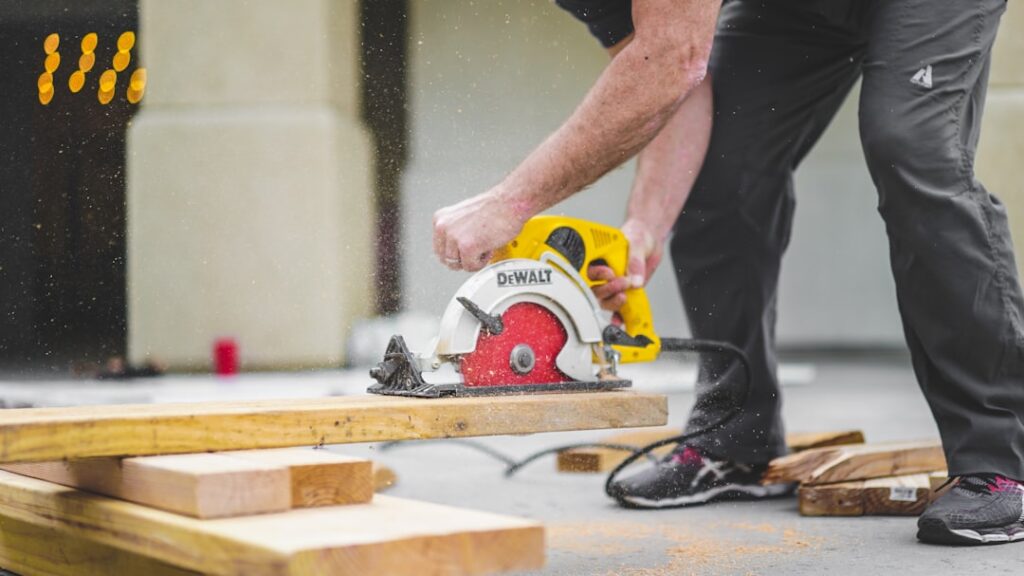

Welcome to the One Year Later Review Series, where we delve deep into the world of tools and their long-term performance. You might be wondering why a year matters so much in the realm of tools. After all, many products come with a warranty that lasts only a few months, and it’s easy to get swept up in the excitement of a new purchase. However, true value lies in how well these tools perform over time. In this series, we will explore various categories of tools, from power tools to hand tools, and assess their durability and reliability after a full year of use.
By sharing authentic experiences and insights, I aim to build trust and authority in this space. You deserve to know which tools are worth your hard-earned money and which ones might fall short of expectations. This series is not just about reviews; it’s about creating a community where we can learn from each other’s experiences and make informed decisions. So, let’s embark on this journey together and discover which tools truly stand the test of time.
Key Takeaways
- Long-term performance is crucial when evaluating the true value of power, hand, and cordless tools.
- Certain power and hand tools have proven their durability and reliability after one year of use.
- Brand comparisons reveal significant differences in tool longevity and overall quality.
- Proper maintenance plays a key role in extending the lifespan and performance of tools.
- Emerging innovations in tool technology promise improved durability and long-term reliability.
The Importance of Long-Term Performance in Tools
When you invest in a tool, you’re not just buying a product; you’re investing in your projects, your time, and your peace of mind. Long-term performance is crucial because it reflects the tool’s ability to withstand the rigors of regular use. A tool that performs well for a few weeks or even months may not be reliable when you need it most. Imagine reaching for your drill only to find it has lost power or your saw has dulled beyond usability. This is why assessing long-term performance is essential; it gives you a clearer picture of what to expect down the line.
Moreover, understanding long-term performance can save you money in the long run. Tools that break down frequently require replacements or repairs, which can add up quickly. By focusing on durability and reliability, you can make smarter purchasing decisions that ultimately lead to better value. In this series, we will highlight tools that have proven their worth over time, ensuring that you can invest confidently in your toolkit.
Power Tools: Which Ones Have Stood the Test of Time?
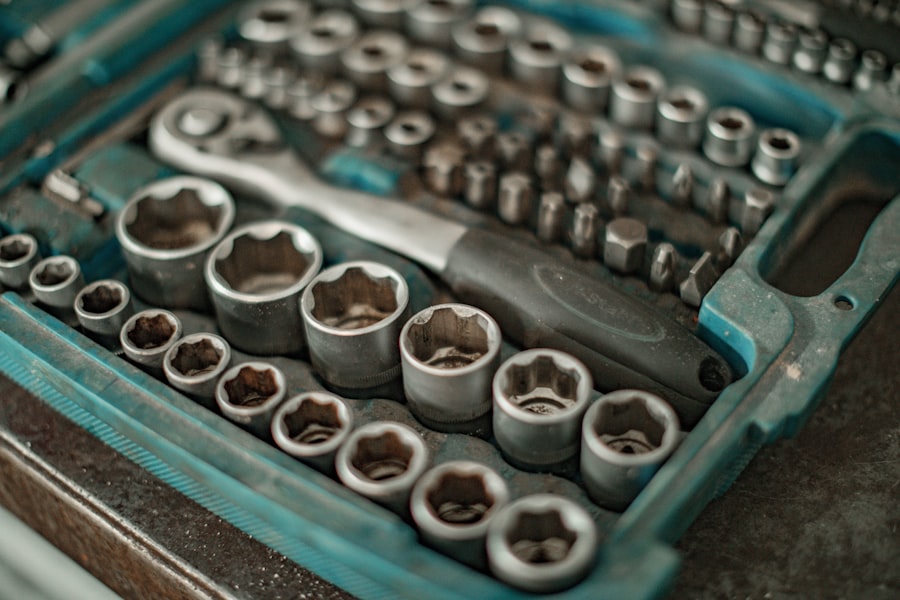
Power tools are often the backbone of any serious DIYer or professional tradesperson’s arsenal. After a year of rigorous testing, certain brands and models have emerged as champions in terms of durability and performance. For instance, brands like DeWalt and Makita have consistently shown that their drills and saws can handle heavy workloads without faltering. You might recall the excitement of unboxing a new power tool, but the real test comes when you put it through its paces over time.
One standout example is the DeWalt DCD791D2 20V MAX XR Lithium-Ion Brushless Compact Drill/Driver. After a year of use, it remains as powerful as ever, with its battery life impressively holding up even after countless charges. The ergonomic design also ensures comfort during extended use, making it a favorite among users who value both performance and usability. On the other hand, some brands may have flashy marketing but fail to deliver when it comes to longevity. By focusing on real-world experiences, we can identify which power tools are truly worth your investment.
Hand Tools: Which Ones Have Maintained Their Durability?
Hand tools may not have the same allure as their power counterparts, but they are essential for any toolkit. Over the past year, I’ve put various hand tools through their paces, and some have truly stood out for their durability and reliability. Brands like Stanley and Klein Tools have consistently delivered hand tools that not only perform well but also withstand the test of time. For example, the Stanley 66-052 6-Inch Classic 99 Multi-Tool has proven to be an invaluable asset in my toolbox, maintaining its sharpness and functionality even after extensive use.
Another noteworthy mention is the Klein Tools 80026 11-in-1 Screwdriver/Nut Driver. After a year of daily use, it remains as versatile as ever, with no signs of wear on its bits or handle. The quality craftsmanship behind these tools is evident in their performance; they don’t just get the job done—they do so reliably and efficiently. As we explore hand tools further in this series, you’ll gain insights into which models are worth adding to your collection for long-term use.
Cordless Tools: Are They Still as Reliable as They Were a Year Ago?
| Tool Name | Category | Performance After 1 Year | Durability Rating (out of 10) | User Satisfaction (%) | Maintenance Required |
|---|---|---|---|---|---|
| PowerMax Drill | Power Tools | Like New | 9 | 92 | Minimal |
| FlexiGrip Hammer | Hand Tools | Good | 7 | 85 | None |
| UltraCut Saw | Power Tools | Like New | 8 | 90 | Blade Replacement |
| Precision Screwdriver Set | Hand Tools | Excellent | 10 | 95 | None |
| SpeedWeld Soldering Iron | Electronics Tools | Fair | 6 | 78 | Tip Replacement |
Cordless tools have revolutionized the way we approach projects, offering convenience without sacrificing power. However, their long-term reliability is often questioned. After a year of testing various cordless models, I can confidently say that some brands have risen above the rest in terms of performance and battery life. For instance, Milwaukee’s M18 Fuel line has proven to be exceptionally reliable, with batteries that maintain their charge even after extensive use.
One particular model that stands out is the Milwaukee M18 FUEL 1/2″ Hammer Drill/Driver. After a year of heavy-duty tasks—from drilling into concrete to assembling furniture—it continues to perform at peak efficiency. The brushless motor technology not only enhances its power but also contributes to its longevity. On the flip side, some cordless tools may initially impress but falter over time due to battery degradation or mechanical failures. By sharing these experiences, I hope to guide you toward making informed choices when selecting cordless tools for your projects.
Comparison of Different Brands and Their Long-Term Performance
As we dive deeper into brand comparisons, it’s essential to recognize that not all brands are created equal when it comes to long-term performance. Some may excel in one category while falling short in another. For example, while Ryobi offers an impressive range of affordable cordless tools, they may not always match the durability of higher-end brands like Bosch or Festool. Through my year-long testing experience, I’ve gathered insights that can help you navigate these choices more effectively.
When comparing brands like DeWalt and Makita for power tools, both have proven their worth over time; however, DeWalt often edges out with slightly better battery life and customer service support. On the other hand, Makita’s ergonomic designs make them incredibly user-friendly for extended projects. By examining these nuances in brand performance over time, you’ll be better equipped to choose tools that align with your specific needs and preferences.
Factors That Contribute to the Longevity of Tools
Understanding what contributes to the longevity of tools can significantly impact your purchasing decisions. Several factors play a role in determining how well a tool will perform over time. First and foremost is build quality; tools made from high-grade materials tend to withstand wear and tear much better than those constructed from cheaper alternatives. For instance, stainless steel components are often more resistant to rust and corrosion compared to plastic or lower-grade metals.
Another critical factor is design innovation; ergonomic designs not only enhance user comfort but also reduce strain during prolonged use, leading to less wear on both the tool and the user. Additionally, regular maintenance plays a vital role in extending a tool’s lifespan—cleaning and lubricating moving parts can prevent premature wear and ensure optimal performance over time.
By understanding these factors, you can make more informed choices about which tools will serve you best in the long run.
Maintenance Tips to Keep Your Tools Performing Like New
To ensure your tools continue performing at their best for years to come, proper maintenance is essential. One simple yet effective tip is to clean your tools after each use; removing dirt and debris can prevent buildup that may hinder performance over time.
For power tools, regularly checking and replacing worn-out parts—such as blades or bits—can make a significant difference in efficiency and safety.
Another crucial aspect of maintenance is storage; keeping your tools in a dry environment can prevent rust and corrosion from developing. Consider investing in tool organizers or cases that protect them from moisture and impact damage. Additionally, periodically inspecting your tools for any signs of wear or damage allows you to address issues before they escalate into more significant problems. By following these maintenance tips, you can keep your tools performing like new for years to come.
Customer Reviews and Feedback on Long-Term Performance
Customer reviews provide invaluable insights into long-term performance that can guide your purchasing decisions. Many users share their experiences online, detailing how well their tools have held up over time under various conditions. For instance, forums dedicated to DIY enthusiasts often feature discussions about specific models that have exceeded expectations or fallen short after extended use.
By paying attention to these reviews, you can gain a broader perspective on how different tools perform in real-world scenarios beyond just marketing claims. Look for patterns in feedback—if multiple users report similar issues with a particular model or brand, it’s worth considering before making a purchase. Authentic customer experiences can serve as a powerful resource when evaluating which tools are truly reliable for long-term use.
Upcoming Innovations in Tool Technology and Their Potential Longevity
As technology continues to evolve, so does the world of tools. Innovations such as smart technology integration are becoming increasingly common in both power and hand tools. These advancements promise enhanced functionality and efficiency but also raise questions about long-term reliability. For example, smart drills that connect to apps for monitoring battery life or usage patterns may offer convenience but could also introduce new points of failure.
Another exciting development is the rise of sustainable materials in tool manufacturing; companies are beginning to explore eco-friendly options that maintain durability while reducing environmental impact. As we look ahead at these innovations, it’s essential to consider how they might affect longevity—will these new features enhance performance or complicate maintenance? By staying informed about upcoming trends in tool technology, you can make educated decisions about which innovations are worth embracing for long-term use.
The Value of Investing in Tools That Stand the Test of Time
In conclusion, investing in tools that stand the test of time is not just about immediate gratification; it’s about securing your future projects with reliable equipment that won’t let you down when it matters most. Through this One Year Later Review Series, I hope you’ve gained valuable insights into which tools truly deliver on their promises of durability and performance over time.
By focusing on long-term testing, brand comparisons, and authentic experiences, we can navigate the vast landscape of tools with confidence. Remember that quality often trumps quantity; investing in fewer high-quality tools will serve you better than filling your toolbox with subpar options that require frequent replacements. As we continue this journey together, let’s prioritize longevity and reliability in our tool choices—because every project deserves the best equipment available.
FAQs
1. What is the focus of the “One year later” review series?
The “One year later” review series evaluates the performance and durability of various tools after one year of use to determine which ones still perform like new.
2. How are the tools selected for the review series?
Tools are typically selected based on their popularity, initial performance ratings, and user interest to provide a comprehensive overview of their long-term reliability.
3. What criteria are used to assess the tools after one year?
The assessment criteria include functionality, wear and tear, battery life (if applicable), ease of use, and overall performance compared to when the tools were new.
4. Are the reviews based on professional testing or user feedback?
The reviews combine professional testing by experts with real-world user feedback to provide an accurate and balanced evaluation of each tool’s performance over time.
5. Can the findings from the “One year later” series help in purchasing decisions?
Yes, the findings offer valuable insights into which tools maintain their quality and reliability, helping consumers make informed decisions when investing in tools for long-term use.