
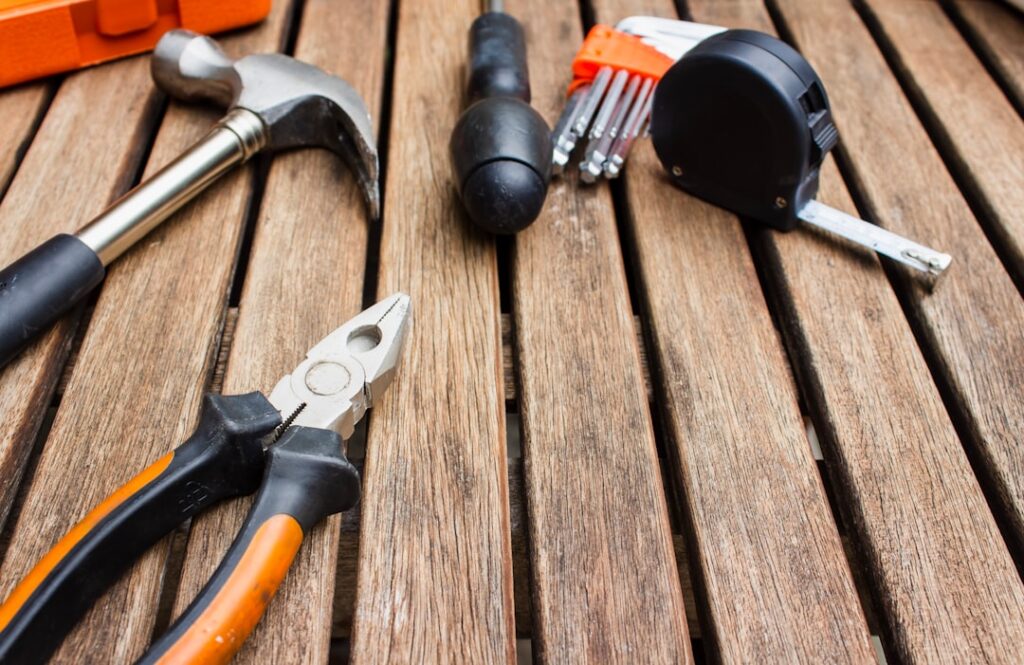

When embarking on any DIY project or home improvement task, having the right hand tools is crucial. These tools form the backbone of your toolkit, allowing you to perform a variety of tasks with precision and efficiency. Essential hand tools typically include items like hammers, screwdrivers, pliers, wrenches, and utility knives. Each of these tools serves a specific purpose, and understanding their value can help you make informed purchasing decisions.
The cost of hand tools can vary significantly based on brand, material, and design. While it may be tempting to opt for the cheapest option available, consider the long-term value of investing in quality tools. High-quality hand tools often come with warranties and are designed to withstand wear and tear, ultimately saving you money in the long run. When you choose tools that are durable and reliable, you not only enhance your efficiency but also ensure that you won’t need to replace them frequently.
Key Takeaways
- Essential hand tools include a hammer, screwdriver set, pliers, tape measure, and utility knife for basic DIY projects.
- Power tools for beginners should include a cordless drill, jigsaw, orbital sander, and circular saw for versatility and ease of use.
- Safety gear and equipment such as safety goggles, ear protection, dust masks, and work gloves are essential for protecting yourself during DIY projects.
- Measuring and marking tools like a combination square, level, and chalk line are crucial for accurate and precise measurements.
- Fasteners and hardware like screws, nails, anchors, and hinges are necessary for securing and assembling DIY projects.
Power Tools for Beginners
Power tools can be a game-changer for anyone looking to tackle larger projects or work with tougher materials. For beginners, it’s essential to start with a few key power tools that can handle a variety of tasks. A cordless drill, for instance, is an invaluable addition to your toolkit, allowing you to drill holes and drive screws with ease. Other beginner-friendly power tools include circular saws, jigsaws, and sanders.
When considering the cost of power tools, it’s important to weigh the benefits against the price tag. While some brands may offer lower-priced options, they might not provide the same level of performance or longevity as more reputable brands. Investing in quality power tools can lead to significant savings over time, as they often require less maintenance and replacement. Additionally, many power tools come with features that enhance safety and usability, making them worth the initial investment.
Safety Gear and Equipment
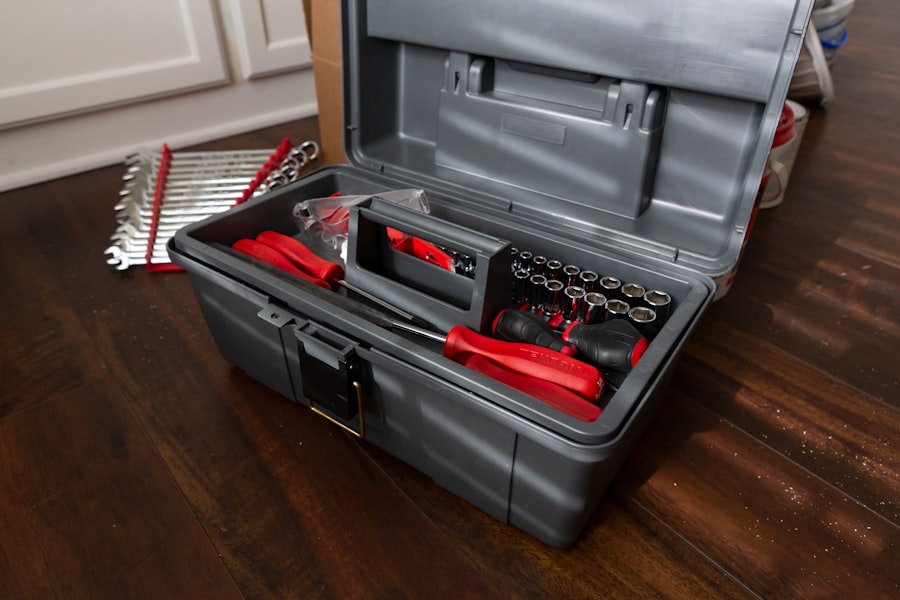
Safety should always be a top priority when working with tools and machinery. Investing in proper safety gear is not just about compliance; it’s about protecting yourself from potential hazards. Essential safety equipment includes goggles, gloves, ear protection, and dust masks. Each piece of gear plays a vital role in ensuring your well-being while you work.
The cost of safety gear can vary widely depending on the quality and brand. While it may be tempting to skimp on safety equipment to save money, doing so can lead to higher costs in terms of potential injuries or accidents. Quality safety gear is designed to provide maximum protection and comfort, allowing you to focus on your project without worrying about your safety. Remember that the value of safety gear far outweighs its cost; investing in your protection is an investment in your future.
Measuring and Marking Tools
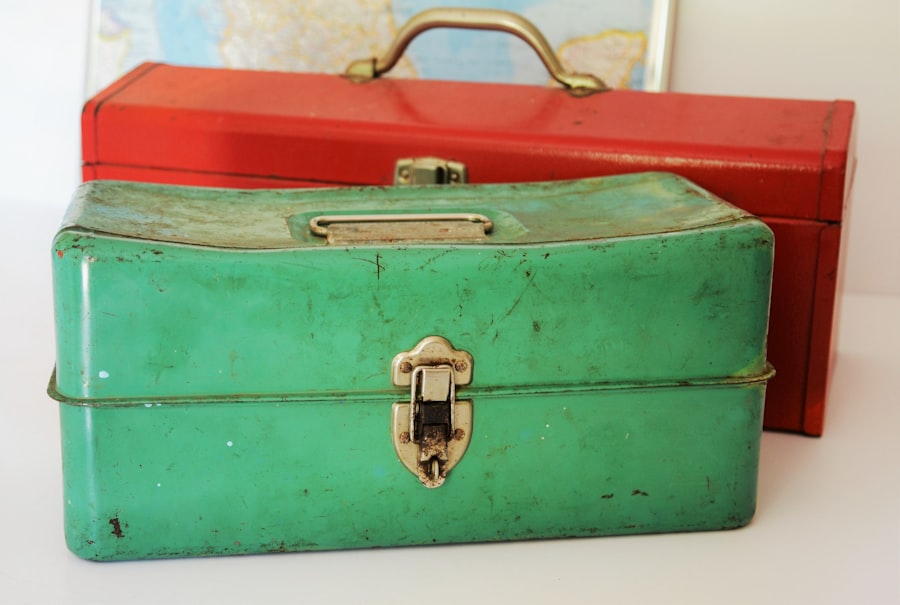
Accurate measurements are critical in any DIY project, making measuring and marking tools indispensable. Items such as tape measures, levels, squares, and marking pencils help ensure that your work is precise and professional-looking. Without these tools, even the most skilled craftsman can struggle to achieve the desired results.
When evaluating the cost of measuring and marking tools, consider their importance in achieving accuracy. While some may opt for cheaper options, investing in high-quality measuring tools can lead to better outcomes and fewer mistakes. A reliable tape measure or level can save you time and materials by preventing costly errors. Additionally, many reputable brands offer measuring tools that are designed for durability and ease of use, making them a worthwhile investment for any DIY enthusiast.
Fasteners and Hardware
| Category | Item | Cost |
|---|---|---|
| Hand Tools | Hammer | 10 |
| Hand Tools | Screwdriver Set | 20 |
| Power Tools | Drill | 50 |
| Power Tools | Sander | 40 |
| Safety Gear | Safety Glasses | 15 |
| Safety Gear | Gloves | 10 |
| Measuring Tools | Tape Measure | 10 |
| Measuring Tools | Square | 15 |
Fasteners and hardware are often overlooked but are essential components of any project. Screws, nails, anchors, and brackets hold everything together, ensuring that your work stands the test of time. Understanding the different types of fasteners available can help you choose the right ones for your specific needs.
The cost of fasteners can vary based on material and type. While it may be tempting to buy the cheapest option available, consider the long-term implications of your choices. High-quality fasteners are designed to provide superior strength and durability, reducing the likelihood of failure over time. Investing in quality hardware not only enhances the integrity of your projects but also saves you from potential repairs or replacements down the line.
Organizational and Storage Solutions
An organized workspace is essential for efficiency and productivity. Investing in organizational and storage solutions can help you keep your tools and materials in order, making it easier to find what you need when you need it. Toolboxes, pegboards, shelving units, and storage bins are all valuable additions to your workspace.
The cost of organizational solutions can vary widely based on size and material. While it may be tempting to opt for cheaper storage options, consider how disorganization can lead to wasted time and frustration. Quality storage solutions are designed to withstand wear and tear while providing easy access to your tools. By investing in effective organizational systems, you not only enhance your workspace but also improve your overall workflow.
Additional Accessories and Supplies
In addition to core tools and equipment, various accessories and supplies can enhance your DIY experience. Items such as drill bits, saw blades, sanding pads, and paintbrushes may seem minor but play a significant role in achieving professional results. These accessories often complement your primary tools and can make a substantial difference in the quality of your work.
When considering the cost of additional accessories, think about their impact on your projects. Investing in high-quality accessories can lead to better performance and longer-lasting results.
For example, using premium drill bits can make drilling easier and more efficient while reducing wear on your drill itself.
By prioritizing quality over cost when it comes to accessories, you can elevate your DIY projects without breaking the bank.
Budget-Friendly DIY Kits
For those just starting out or looking to expand their toolkit without overspending, budget-friendly DIY kits can be an excellent option. These kits often include a selection of essential tools tailored for specific projects or tasks. They provide a cost-effective way to acquire multiple items at once while ensuring that you have everything you need to get started.
When evaluating budget-friendly kits, consider their overall value rather than just the price tag. Some kits may include lower-quality tools that won’t stand up to regular use, while others offer excellent value with durable items that will last for years. Look for kits from reputable brands that prioritize quality; this way, you can build a solid foundation for your toolkit without compromising on performance.
Tips for Finding Deals and Discounts
Finding deals and discounts on tools can significantly reduce your overall costs while still allowing you to invest in quality items. One effective strategy is to keep an eye on seasonal sales or holiday promotions when many retailers offer substantial discounts on tools and equipment. Additionally, signing up for newsletters from tool manufacturers or retailers can provide you with exclusive offers or early access to sales.
Another great way to save money is by exploring online marketplaces or local classifieds for gently used tools. Many DIY enthusiasts upgrade their equipment regularly, leaving behind perfectly functional items at a fraction of the original price. Just be sure to inspect used tools carefully before purchasing to ensure they meet your standards for quality and safety.
Recommended Brands and Quality Considerations
When it comes to purchasing tools, brand reputation plays a significant role in determining quality and reliability.
Some brands have established themselves as leaders in the industry due to their commitment to producing high-quality products that stand the test of time.
Brands like DeWalt, Makita, Milwaukee, and Bosch are known for their durability and performance across various tool categories.
While brand loyalty is important, it’s equally essential to consider specific product reviews and ratings before making a purchase. Researching user experiences can provide valuable insights into how well a tool performs in real-world applications. By prioritizing quality brands with positive reviews, you can ensure that your investment will yield long-term benefits.
Building a Toolkit Wishlist for Future Investments
As you continue your DIY journey, it’s wise to build a toolkit wishlist for future investments. This list should include tools that you aspire to own as you take on more complex projects or expand your skill set. By planning ahead, you can prioritize which items are most important based on your current needs and future aspirations.
Creating a wishlist also allows you to monitor prices over time so that you can take advantage of sales or discounts when they arise. This proactive approach ensures that you’re not only prepared for upcoming projects but also making informed decisions about your tool purchases. Remember that building a comprehensive toolkit is an ongoing process; each new addition enhances your capabilities while providing opportunities for growth in your DIY endeavors.
In conclusion, understanding what affects tool pricing is essential for making informed decisions about your purchases. By focusing on transparency regarding costs versus value, considering brand reputation, investing in quality safety gear, and being strategic about future investments, you can build a toolkit that meets your needs without compromising on quality or safety. Whether you’re just starting out or looking to expand your collection, being mindful of these factors will ultimately lead to greater satisfaction with your DIY projects.
FAQs
1. What is the average cost of building a basic toolkit for a beginner?
The average cost of building a basic toolkit for a beginner is under $300. This budget allows for the purchase of essential tools for common household repairs and DIY projects.
2. What are some essential tools that should be included in a beginner’s toolkit?
Some essential tools that should be included in a beginner’s toolkit are a hammer, screwdriver set, adjustable wrench, tape measure, utility knife, pliers, level, and a cordless drill with a set of drill bits.
3. Are there any specific brands or types of tools recommended for a beginner’s toolkit?
For a beginner’s toolkit, it is recommended to choose affordable yet reliable brands such as Stanley, Craftsman, Black & Decker, and Kobalt. It is also important to consider the quality and durability of the tools when making a purchase.
4. Can a beginner’s toolkit be customized based on individual needs and preferences?
Yes, a beginner’s toolkit can be customized based on individual needs and preferences. Depending on the type of projects and repairs one anticipates, additional tools such as a stud finder, socket set, or a hacksaw can be added to the toolkit.
5. Where can one purchase tools to build a beginner’s toolkit for under $300?
Tools for building a beginner’s toolkit can be purchased from hardware stores, home improvement centers, and online retailers. It is advisable to compare prices and read reviews before making a purchase to ensure the best value for the budget.