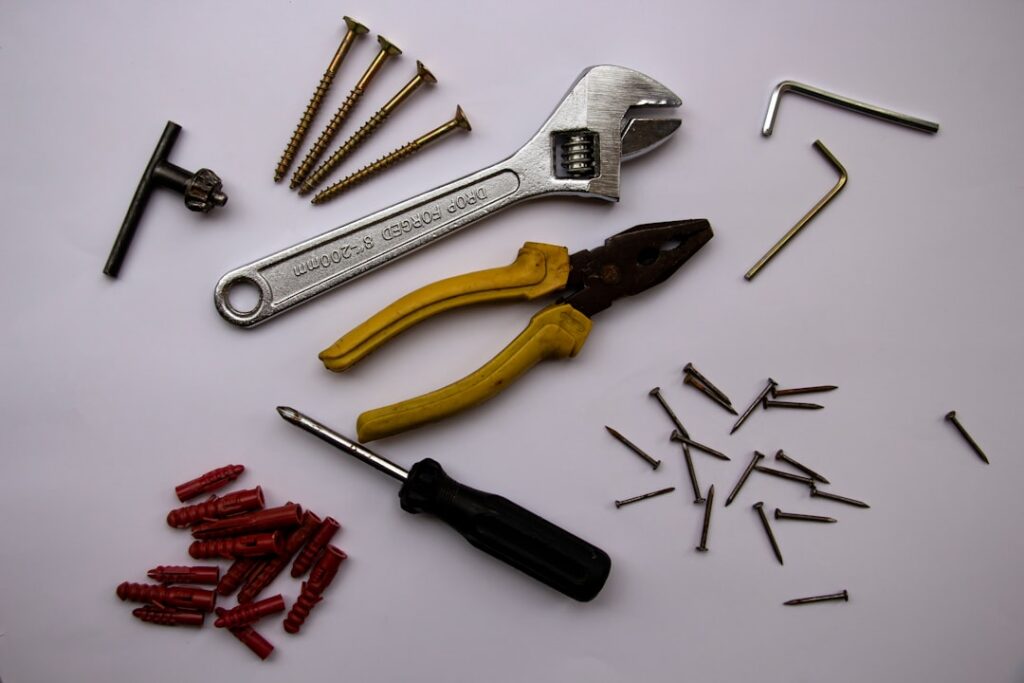

When it comes to tackling home improvement projects or DIY tasks, having a solid set of essential hand tools is crucial. These tools form the backbone of any toolkit, allowing you to perform a variety of tasks with precision and ease. Among the most important hand tools are hammers, screwdrivers, pliers, and wrenches. Each of these tools serves a specific purpose, and understanding their differences can help you make informed decisions about which brands and types to invest in.
For instance, when selecting a hammer, you might consider the weight and material of the head. A claw hammer is ideal for driving nails and removing them, while a sledgehammer is better suited for heavy-duty demolition work. Brands like Estwing and Stanley are known for their durability and comfort, making them popular choices among both professionals and DIY enthusiasts. Similarly, when it comes to screwdrivers, you’ll find options ranging from flathead to Phillips, each designed for different types of screws. Investing in a quality set from brands like Craftsman or Klein Tools can save you time and frustration in the long run.
Key Takeaways
- Essential hand tools are a must-have for any DIY enthusiast or professional, including items like hammers, screwdrivers, pliers, and wrenches.
- Power tools can make tasks easier and more efficient, with options like drills, saws, sanders, and grinders being essential for many projects.
- Safety equipment is crucial when working with tools, including items like safety goggles, gloves, ear protection, and dust masks to protect against injury and hazards.
- Measuring and leveling tools are essential for accuracy in projects, including items like tape measures, levels, squares, and angle finders.
- Plumbing tools are necessary for any plumbing project, including items like pipe wrenches, pliers, pipe cutters, and plungers to tackle common plumbing issues.
Power Tools
Power tools have revolutionized the way we approach construction and repair tasks, offering speed and efficiency that hand tools simply cannot match. When considering power tools, you’ll want to evaluate the type of projects you plan to undertake. Drills, saws, and sanders are among the most common power tools found in workshops. Each tool has its own set of features that can significantly impact performance.
For example, when choosing a drill, you might compare corded versus cordless options. Cordless drills offer portability and convenience, making them ideal for jobs where access to power outlets is limited. Brands like DeWalt and Makita are renowned for their powerful batteries and ergonomic designs, ensuring that you can work comfortably for extended periods. On the other hand, corded drills often provide more consistent power for heavy-duty tasks. Similarly, when selecting a saw, consider whether a circular saw or a jigsaw would better suit your needs based on the materials you’ll be cutting. Understanding these distinctions will empower you to choose the right tools for your specific projects.
Safety Equipment
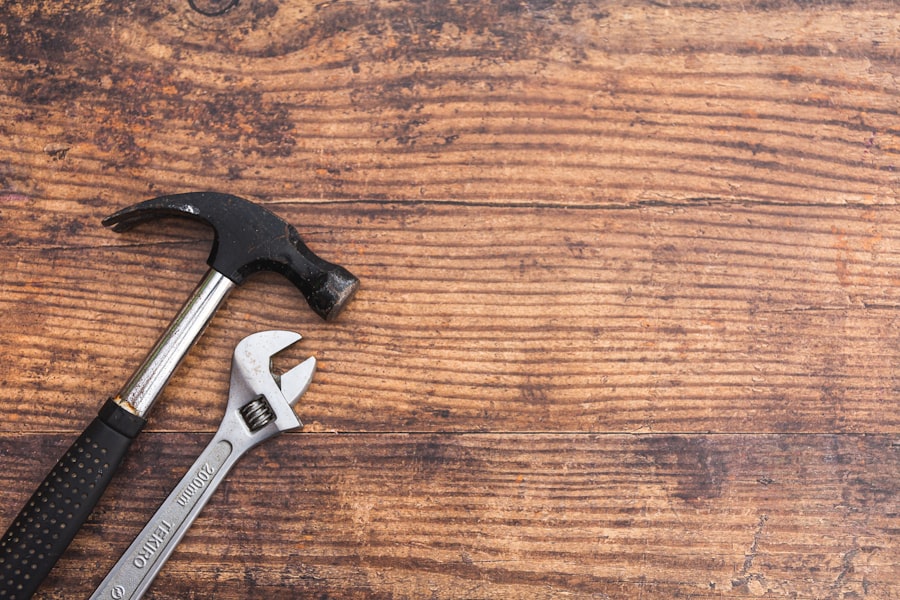
Safety should always be your top priority when working with tools, whether they are hand tools or power tools. Investing in high-quality safety equipment can protect you from potential hazards and ensure that you can work confidently. Essential safety gear includes goggles, gloves, ear protection, and dust masks. Each piece of equipment plays a vital role in safeguarding your health while you work.
For instance, safety goggles protect your eyes from flying debris and dust, while gloves provide grip and protect your hands from cuts and abrasions. Brands like 3M and Honeywell offer a range of protective eyewear that combines comfort with durability. Additionally, ear protection is crucial when using loud power tools; options like earmuffs or earplugs can help prevent long-term hearing damage. Dust masks are also essential when working with materials that produce harmful particles. By investing in reliable safety equipment from reputable brands, you can focus on your projects without worrying about potential injuries.
Measuring and Leveling Tools

Accurate measurements are fundamental to any successful project, making measuring and leveling tools indispensable in your toolkit. Tools such as tape measures, levels, and squares help ensure that your work is precise and professional-looking. When selecting these tools, consider their accuracy, ease of use, and durability.
A good tape measure should have clear markings and a sturdy casing to withstand wear and tear. Brands like Stanley and Milwaukee offer tape measures with features such as magnetic tips for easy attachment to metal surfaces. Levels are equally important; a bubble level or laser level can help you achieve perfect alignment in your projects. For more complex tasks, consider investing in a digital level that provides precise readings at the push of a button. Squares are essential for ensuring right angles in woodworking projects; look for options made from durable materials like aluminum or steel for longevity.
Plumbing Tools
| Tool | Function | Quality | Price |
|---|---|---|---|
| Hammer | Driving and removing nails | Durable metal head and comfortable grip | Affordable |
| Screwdriver set | Tightening or loosening screws | Various sizes and sturdy construction | Reasonable |
| Tape measure | Measuring distances and dimensions | Durable, easy-to-read markings | Reasonably priced |
| Adjustable wrench | Tightening or loosening nuts and bolts | Sturdy, smooth adjustment mechanism | Reasonably priced |
| Utility knife | Cutting various materials | Durable, retractable blade | Affordable |
Plumbing tasks can range from simple repairs to complex installations, making it essential to have the right plumbing tools on hand. Common plumbing tools include pipe wrenches, plungers, and pipe cutters. Each tool serves a unique purpose, so understanding their functions will help you tackle plumbing issues with confidence.
A pipe wrench is indispensable for gripping and turning pipes during installation or repair. Brands like RIDGID are known for their high-quality pipe wrenches that provide excellent grip and leverage. Plungers are another must-have; they come in various designs tailored for different types of clogs—be sure to choose one that suits your needs best. For cutting pipes cleanly and efficiently, a pipe cutter is essential; look for models that offer adjustable cutting wheels for versatility across different pipe sizes.
Electrical Tools
When working on electrical projects, having the right tools is crucial for both safety and efficiency.
Electrical tools include wire strippers, multimeters, and voltage testers—each designed to help you handle electrical tasks safely and effectively.
Understanding the features of these tools will enable you to make informed choices.
Wire strippers are essential for removing insulation from electrical wires without damaging the conductor itself. Brands like Klein Tools offer wire strippers with built-in cutting capabilities for added convenience. A multimeter is another vital tool; it allows you to measure voltage, current, and resistance in electrical circuits. This tool is invaluable for troubleshooting electrical issues and ensuring that your installations are safe. Voltage testers are also important; they help confirm whether a circuit is live before you begin working on it. By investing in quality electrical tools from trusted brands, you can approach your projects with confidence.
Outdoor and Landscaping Tools
Outdoor projects require specialized tools designed to handle various tasks such as gardening, landscaping, and maintenance. Essential outdoor tools include shovels, rakes, pruners, and lawnmowers. Each tool has its own unique features that can enhance your gardening experience.
When selecting shovels or spades, consider the material of the blade and the design of the handle. Stainless steel blades are durable and resistant to rust, while ergonomic handles can reduce strain on your back during use. Brands like Fiskars offer a range of gardening tools designed with comfort in mind. Rakes come in different styles—leaf rakes are great for gathering leaves while garden rakes are perfect for leveling soil or mulch. Pruners are essential for maintaining healthy plants; look for models with sharp blades that can easily cut through branches without damaging them.
Storage and Organization Solutions
Finally, as you accumulate various tools over time, having effective storage and organization solutions becomes paramount. A well-organized workspace not only enhances efficiency but also prolongs the life of your tools by protecting them from damage. Consider investing in toolboxes, pegboards, or shelving units to keep everything in its place.
Toolboxes come in various sizes and configurations; some feature removable trays for easy access to smaller items while others have compartments specifically designed for larger tools. Brands like DEWALT offer rugged toolboxes that withstand heavy use while keeping your tools secure. Pegboards are an excellent way to display frequently used tools within easy reach; they allow you to customize your storage space according to your needs. Additionally, shelving units can help maximize vertical space in your workshop or garage while keeping everything organized.
In conclusion, whether you’re a seasoned professional or a weekend warrior tackling DIY projects at home, understanding the various types of tools available will empower you to make confident purchase decisions. By comparing brands and evaluating performance across categories such as hand tools, power tools, safety equipment, measuring devices, plumbing essentials, electrical gear, outdoor implements, and storage solutions, you’ll be well-equipped to build a comprehensive toolkit that meets all your needs.
FAQs
What is the ultimate homeowner’s tool-buying checklist?
The ultimate homeowner’s tool-buying checklist is a comprehensive list of essential tools and equipment that every homeowner should have in their toolbox. It includes a wide range of tools for various home maintenance and repair tasks.
Why is it important to have a homeowner’s tool-buying checklist?
Having a homeowner’s tool-buying checklist is important because it helps homeowners ensure that they have all the necessary tools to handle common home maintenance and repair tasks. It also helps them avoid unnecessary trips to the hardware store and be prepared for unexpected repairs.
What are some common tools included in the homeowner’s tool-buying checklist?
Common tools included in the homeowner’s tool-buying checklist may include a hammer, screwdrivers, pliers, wrenches, tape measure, level, utility knife, power drill, saw, and various types of fasteners and hardware.
Where can homeowners purchase the tools on the checklist?
Homeowners can purchase the tools on the checklist from hardware stores, home improvement centers, online retailers, and specialty tool shops. They can also consider purchasing tool sets that include a variety of essential tools.
How often should homeowners update their tool-buying checklist?
Homeowners should update their tool-buying checklist as needed, especially when they acquire new tools or when their home maintenance and repair needs change. It’s also a good idea to review the checklist annually to ensure that all tools are in good condition and to add any new tools that may be necessary.