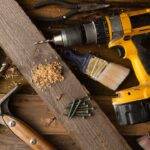


When you pick up a tool, it’s essential to understand not just how it works, but also its limitations and potential hazards. Each tool is designed for specific tasks, and using it outside of its intended purpose can lead to accidents or damage. For instance, a power drill is excellent for making holes in various materials, but if you attempt to use it as a hammer, you risk breaking the drill or injuring yourself. Familiarizing yourself with the tool’s manual is a crucial first step. It provides insights into the tool’s specifications, recommended uses, and safety precautions that you should always keep in mind.
Moreover, understanding the tool also means recognizing the signs of wear and tear. Tools can degrade over time, and using a worn-out tool can be dangerous. For example, a frayed power cord on an electric tool can lead to electrical shocks or fires. By being aware of these issues, you can take proactive steps to ensure your safety and the tool’s reliability. Remember, knowledge is power; the more you know about your tools, the better equipped you are to use them safely and effectively.
Key Takeaways
- Always understand the proper use and function of the tool before operating it
- Wear the appropriate personal protective equipment to prevent injuries
- Regularly inspect the tool for any damage or defects before use
- Follow safe operating procedures to avoid accidents and injuries
- Properly handle and store the tool to prevent damage and accidents
Proper Personal Protective Equipment
Before you even think about using any tool, you must prioritize your safety by wearing the appropriate personal protective equipment (PPE). This includes items like safety goggles, gloves, ear protection, and steel-toed boots. Each piece of equipment serves a specific purpose; for instance, safety goggles protect your eyes from flying debris, while gloves can prevent cuts and abrasions. It’s easy to overlook these precautions when you’re eager to start a project, but neglecting them can lead to serious injuries that could have been easily avoided.
Additionally, consider the environment in which you’re working. If you’re using power tools in a noisy area, ear protection becomes even more critical. Similarly, if you’re working with materials that produce dust or fumes, a mask may be necessary to protect your lungs. Investing in high-quality PPE is not just a good idea; it’s an essential part of ensuring your safety while working with tools. Remember that no project is worth risking your health over; always gear up before you get started.
Inspecting the Tool

Before diving into any project, take a moment to inspect your tools thoroughly. This step is often overlooked but is crucial for ensuring both your safety and the tool’s performance. Look for any visible signs of damage such as cracks, rust, or loose parts.
A simple visual inspection can reveal issues that could lead to malfunctions during use.
For example, if you notice that the blade on your saw is dull or chipped, it’s better to replace it before starting your work rather than risking injury or poor results.
In addition to visual checks, consider testing the tool’s functionality before you begin your project. If it’s an electric tool, plug it in and ensure it powers on smoothly without any unusual noises or vibrations. For manual tools, check that all moving parts operate freely and without obstruction. Taking these extra moments to inspect your tools can save you from potential accidents and ensure that your work goes as smoothly as possible.
Safe Operation

Operating tools safely is not just about following instructions; it’s about being mindful of your surroundings and your own actions. Always maintain a firm grip on the tool and keep both hands clear of moving parts. It’s easy to get distracted or complacent when you’re focused on a task, but this is when accidents are most likely to occur. For instance, if you’re using a circular saw, ensure that your hands are positioned away from the blade at all times. A momentary lapse in attention can lead to severe injuries.
Moreover, be aware of your body positioning while using tools. Stand firmly with your feet shoulder-width apart for better balance and control. If you’re working at an awkward angle or on an unstable surface, take a moment to reposition yourself or secure your workspace before proceeding. Safe operation is about creating an environment where you can focus entirely on the task at hand without unnecessary risks.
Handling and Storage
| Habit | Description |
|---|---|
| Wear Safety Gear | Always wear safety goggles, gloves, and ear protection when using power tools. |
| Inspect Tools | Before use, inspect power tools for any damage or defects that could cause harm. |
| Read Manuals | Read and understand the user manual for each power tool before operating it. |
| Secure Workpiece | Secure the workpiece properly before using power tools to prevent accidents. |
| Unplug When Not in Use | Always unplug power tools when not in use to prevent accidental starts. |
| Stay Focused | Avoid distractions and stay focused on the task when using power tools. |
| Proper Storage | Store power tools in a dry and secure location to prevent damage and unauthorized use. |
How you handle and store your tools can significantly impact their longevity and your safety. When passing tools to someone else, always hand them over with the handle facing toward the other person. This simple act can prevent accidents caused by someone inadvertently grabbing a sharp edge or a moving part. Additionally, when you’re finished using a tool, don’t just toss it aside; take the time to clean it and store it properly. Leaving tools out in the open can lead to damage from environmental factors or accidental injuries.
Proper storage also means keeping tools organized in a designated area where they are easily accessible but out of reach of children or pets. Consider investing in toolboxes or wall-mounted organizers to keep everything in its place. Not only does this help maintain the condition of your tools, but it also creates a safer workspace by reducing clutter and minimizing the risk of tripping hazards.
Emergency Preparedness
No matter how careful you are, accidents can happen. That’s why being prepared for emergencies is crucial when working with tools.
Familiarize yourself with basic first aid procedures relevant to potential injuries you might encounter while using tools—cuts, burns, or electrical shocks are common examples.
Having a well-stocked first aid kit nearby is essential; make sure it includes items like bandages, antiseptic wipes, and burn cream.
Additionally, know how to contact emergency services quickly if needed. Keep a phone within reach or have someone nearby who can assist in case of an emergency. It’s also wise to inform anyone working with you about potential hazards and emergency procedures before starting any project. Being prepared doesn’t mean you expect accidents to happen; it simply means you’re taking responsible steps to ensure everyone’s safety.
Maintenance and Care
Regular maintenance is key to ensuring that your tools remain reliable and safe to use over time. This includes cleaning them after each use to remove dust and debris that can cause wear or corrosion. For power tools, check the cords for fraying or damage regularly; replacing them promptly can prevent electrical hazards down the line. Manual tools should be lubricated as needed to keep moving parts functioning smoothly.
In addition to routine cleaning and checks, consider scheduling more comprehensive maintenance at regular intervals based on how frequently you use each tool. This might involve sharpening blades, replacing worn-out parts, or even professional servicing for complex machinery. By investing time in maintenance now, you’ll save yourself from costly repairs or replacements later on—and more importantly, you’ll ensure that your tools remain safe for use.
Avoiding Distractions
Distractions are one of the leading causes of accidents when using tools. Whether it’s a phone notification or someone talking to you while you’re focused on a task, these interruptions can lead to mistakes that could result in injury. To minimize distractions, consider setting boundaries before starting work—let others know that you’ll be unavailable for a while so you can concentrate fully on what you’re doing.
Creating a distraction-free environment also means organizing your workspace effectively. Keep only the tools and materials you need for the task at hand within reach; this reduces clutter and helps maintain focus. If you find yourself getting distracted easily, try listening to music or white noise through headphones—just ensure that it’s at a volume where you can still hear any important sounds around you.
Using the Right Tool for the Job
One of the most critical aspects of working safely with tools is ensuring that you’re using the right one for the task at hand. Each tool has its specific purpose; using an inappropriate tool not only increases the risk of injury but can also lead to poor results in your work. For example, attempting to use a screwdriver as a chisel may seem convenient in the moment but could result in damaging both the tool and the material you’re working on.
Before starting any project, take a moment to assess what tools are necessary for the job. If you’re unsure which tool is best suited for a particular task, don’t hesitate to do some research or ask someone with more experience for advice. Using the right tool not only enhances efficiency but also significantly reduces risks associated with improper usage.
Keeping Work Areas Clean and Organized
A clean and organized workspace is essential for maintaining safety while working with tools. Clutter can lead to accidents—tripping over stray items or misplacing tools can disrupt your focus and increase the likelihood of injury. Make it a habit to tidy up as you go along; this not only keeps your workspace safe but also makes it easier to find what you need when you need it.
Consider implementing organizational systems such as labeled storage bins or pegboards for hanging tools. This way, everything has its place and is easy to access when required. A well-organized workspace fosters productivity and minimizes distractions—both of which contribute significantly to safer working conditions.
Seeking Professional Help
Finally, never hesitate to seek professional help when you’re unsure about how to use a tool safely or effectively. Whether it’s consulting an expert for advice on complex machinery or hiring a professional for tasks beyond your skill level, recognizing when you need assistance is crucial for maintaining safety standards. There’s no shame in admitting that certain tasks require expertise beyond what you possess; doing so can prevent accidents and ensure that projects are completed correctly.
Additionally, consider taking workshops or classes focused on tool usage and safety if you’re looking to expand your skills further. Many community centers offer courses that cover everything from basic hand tool usage to advanced power tool techniques. Investing time in learning from professionals not only enhances your skills but also reinforces safe practices that will serve you well throughout your DIY endeavors.
In conclusion, being aware of potential risks associated with tool usage is vital for ensuring both personal safety and effective work outcomes. By understanding your tools thoroughly, wearing appropriate protective gear, inspecting them regularly, operating them safely, handling them properly during storage, preparing for emergencies, maintaining them diligently, avoiding distractions, using the right tools for specific jobs, keeping work areas organized, and seeking professional help when necessary—you create an environment where safety is prioritized above all else. Remember that every precaution taken today contributes significantly to preventing accidents tomorrow; so take these guidelines seriously as you embark on your next project!
FAQs
1. Why is it important for homeowners to know safety habits before using power tools?
It is important for homeowners to know safety habits before using power tools to prevent accidents and injuries. Power tools can be dangerous if not used properly, so understanding safety precautions is crucial for protecting oneself and others.
2. What are some common safety habits that homeowners should know before using power tools?
Some common safety habits include wearing appropriate safety gear such as goggles and gloves, reading and following the tool’s instruction manual, keeping the work area clean and well-lit, and avoiding distractions while operating power tools.
3. How can homeowners ensure the safe operation of power tools?
Homeowners can ensure the safe operation of power tools by inspecting the tools for any damage or defects before use, using the right tool for the job, maintaining a firm grip on the tool, and never operating power tools under the influence of drugs or alcohol.
4. What should homeowners do in case of an emergency or accident while using power tools?
In case of an emergency or accident while using power tools, homeowners should immediately stop using the tool, assess the situation for any injuries, and seek medical attention if necessary. It is also important to report the incident and any safety concerns to the appropriate authorities.
5. Are there any specific safety precautions for using certain types of power tools?
Yes, there are specific safety precautions for using certain types of power tools. For example, when using a table saw, it is important to use a push stick to guide the material through the blade, and when using a power drill, it is important to secure the material being drilled to prevent it from spinning. Always refer to the tool’s instruction manual for specific safety guidelines.