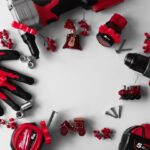


When it comes to selecting the right tools for your projects, understanding the differences between various brands and models is crucial. Each tool is designed with specific features that cater to different needs, and knowing these distinctions can help you make an informed decision. For instance, if you’re considering a power drill, you might find that brands like DeWalt and Makita offer distinct advantages. DeWalt is often praised for its durability and robust design, making it a favorite among professionals who require tools that can withstand heavy use. On the other hand, Makita is known for its lightweight models that provide excellent battery life, appealing to those who prioritize portability and ease of use.
Moreover, the differences extend beyond just brand reputation. The specifications of each tool can vary significantly, affecting their performance in various applications. For example, some drills come with brushless motors that enhance efficiency and longevity, while others may have adjustable speed settings that allow for greater control during operation. By familiarizing yourself with these differences, you can better assess which tool aligns with your specific project requirements and personal preferences.
Key Takeaways
- Different tools excel in specific project types, making understanding their strengths crucial.
- Cost, power, and speed vary significantly between tools, impacting overall value and efficiency.
- Ease of use and versatility are key factors for both beginners and experienced users.
- DIY enthusiasts and professional contractors have distinct needs influencing their tool choice.
- The final decision on which tool to buy first depends on project requirements, budget, and user skill level.
Types of Projects Each Tool is Best Suited For
Different tools excel in different types of projects, and recognizing this can save you time and frustration. If you’re embarking on a home renovation project, a versatile power drill is essential for tasks ranging from assembling furniture to installing shelves. A hammer drill, for instance, is particularly effective for drilling into masonry or concrete, making it ideal for those who need to anchor heavy items securely. Conversely, if your project involves delicate work, such as crafting or detailed woodworking, a compact drill or a rotary tool may be more suitable due to their precision and control.
For larger construction projects, such as framing a house or building a deck, you might want to consider tools like circular saws or reciprocating saws. These tools are designed for heavy-duty cutting and can handle tougher materials with ease. Understanding the specific capabilities of each tool will help you choose the right one for your project, ensuring that you achieve the best results without unnecessary complications.
Cost Comparison

When evaluating tools, cost is often a significant factor in your decision-making process. It’s essential to weigh the initial investment against the long-term value each tool provides. For example, while a high-end brand like Bosch may come with a higher price tag, it often offers superior performance and durability that can save you money in the long run by reducing the need for replacements or repairs. On the other hand, budget-friendly options from brands like Ryobi can be appealing for casual users or DIY enthusiasts who may not require professional-grade tools.
Additionally, consider the total cost of ownership, which includes not just the purchase price but also maintenance and accessory costs. Some tools may require specific batteries or attachments that can add to your overall expenditure. By comparing these costs across different brands and models, you can make a more informed decision that aligns with your budget while still meeting your project needs.
Power and Speed Comparison

Power and speed are critical factors that can significantly impact your tool’s performance. When comparing options, look at the voltage ratings of cordless tools; higher voltage typically translates to more power. For instance, a 20V drill will generally outperform a 12V model in terms of torque and speed, making it more suitable for demanding tasks like drilling through thick materials or driving large screws.
However, it’s essential to balance power with control; too much speed can lead to mistakes or damage to your workpiece.
In addition to voltage, consider the RPM (revolutions per minute) ratings of drills and saws. A higher RPM means faster cutting or drilling speeds, which can be beneficial for efficiency but may require more skill to handle effectively. If you’re working on intricate projects that demand precision, you might prefer a tool with adjustable speed settings that allow you to slow down when necessary. By understanding these power and speed dynamics, you can select a tool that not only meets your performance expectations but also suits your level of expertise.
Ease of Use and Versatility
| Feature | Drill | Impact Driver |
|---|---|---|
| Primary Use | Drilling holes in wood, metal, plastic | Driving screws and fasteners with high torque |
| Torque | Lower torque, suitable for delicate tasks | Higher torque, ideal for tough fastening jobs |
| Speed | Variable speed, generally slower | Higher speed with concussive blows |
| Chuck Type | Keyless chuck, accepts various drill bits | Hex collet, accepts hex-shank driver bits |
| Weight | Generally heavier | Usually lighter and more compact |
| Best For | General drilling and light driving | Heavy-duty screw driving and fastening |
| Price Range | Moderate | Moderate to slightly higher |
| Recommended First Purchase | Yes, if you need versatile drilling and light driving | Yes, if you primarily drive screws and fasteners |
Ease of use is another critical aspect to consider when choosing tools. A user-friendly design can make all the difference, especially if you’re new to DIY projects or home improvement tasks. Look for features such as ergonomic grips, lightweight construction, and intuitive controls that enhance comfort and reduce fatigue during extended use. Brands like Milwaukee often prioritize user experience in their designs, making their tools accessible even for beginners.
Versatility is equally important; a tool that can perform multiple functions can save you both time and money. For example, a multi-tool can handle sanding, cutting, and scraping tasks with interchangeable attachments, making it an excellent choice for various projects around the house. Similarly, some drills come with hammer functions that allow them to double as impact drivers. By selecting tools that offer both ease of use and versatility, you’ll be better equipped to tackle a wide range of projects with confidence.
Considerations for DIY Enthusiasts
If you’re a DIY enthusiast, your tool selection will likely differ from that of a professional contractor. As someone who enjoys tackling home improvement projects on weekends or during your free time, you may prioritize affordability and ease of use over heavy-duty performance. Brands like Black+Decker or Ryobi offer excellent options tailored for casual users who need reliable tools without breaking the bank.
Additionally, consider the types of projects you typically undertake. If you enjoy woodworking or crafting, investing in specialized tools like jigsaws or detail sanders may be worthwhile. These tools are designed for precision work and can help elevate your projects without overwhelming you with complexity. Ultimately, as a DIY enthusiast, focus on building a versatile toolkit that allows you to explore various projects while remaining manageable in terms of cost and usability.
Considerations for Professional Contractors
For professional contractors, the stakes are higher when it comes to tool selection. You need equipment that not only performs well but also stands up to rigorous daily use. Durability becomes paramount; tools from brands like DeWalt or Makita are often favored in professional settings due to their reputation for reliability and longevity under tough conditions. Investing in high-quality tools can lead to fewer breakdowns and repairs, ultimately saving you time and money on the job site.
Moreover, consider the warranty and service options available with each brand. Professional-grade tools often come with extended warranties that provide peace of mind against defects or failures during heavy use. Additionally, having access to customer service or repair centers can be invaluable when you need quick solutions to keep your projects on track. By prioritizing durability and support in your tool selection process, you’ll ensure that your investment pays off in both performance and longevity.
Final Decision: Which Tool to Buy First
Deciding which tool to buy first can be daunting given the myriad options available on the market today.
Start by assessing your immediate project needs; if you’re planning a specific task like hanging shelves or assembling furniture, a reliable power drill should be at the top of your list.
This versatile tool will serve as the foundation of your toolkit and enable you to tackle various tasks efficiently.
If you’re leaning towards larger projects or renovations in the future, consider investing in a circular saw or a multi-tool as your first purchase instead. These tools offer greater versatility for cutting materials and handling diverse applications around the home or job site. Ultimately, your first purchase should align with both your current needs and future aspirations as a DIY enthusiast or professional contractor. By taking the time to evaluate your options carefully, you’ll make a confident decision that sets you up for success in all your upcoming projects.
FAQs
What is the main difference between a drill and an impact driver?
A drill is primarily designed for drilling holes and driving screws with consistent torque, while an impact driver delivers higher torque with rapid bursts, making it better suited for driving large screws and bolts.
Can a drill be used as an impact driver?
While a drill can drive screws, it lacks the high torque and impact mechanism of an impact driver, so it may struggle with tougher fastening tasks that require more power.
Which tool is better for beginners to buy first?
For beginners, a drill is often recommended as the first purchase because it is more versatile for a variety of tasks, including drilling holes and light screwdriving.
Are impact drivers compatible with drill bits?
Impact drivers typically use hex-shank driver bits rather than standard drill bits, so while some drill bits can be used, it is best to use bits specifically designed for impact drivers.
Do drills and impact drivers use the same batteries?
Many brands design their drills and impact drivers to use the same battery packs, allowing users to interchange batteries between tools for convenience and cost savings.