
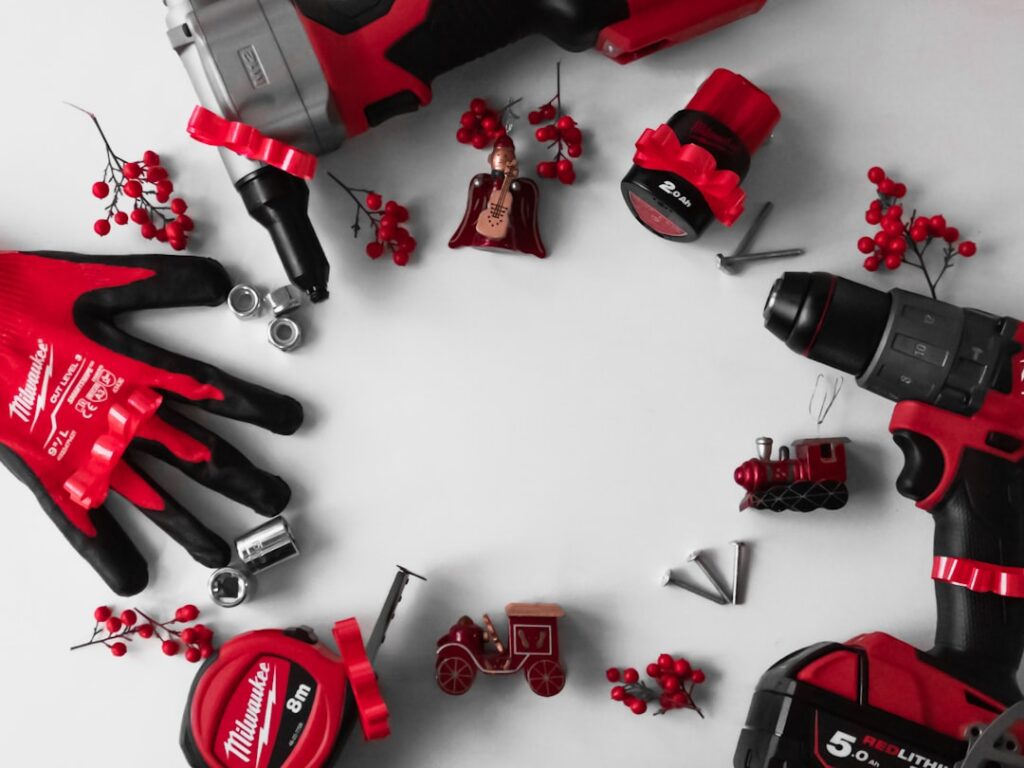

As you embark on your journey into the world of power tools, it’s essential to understand that while these tools can significantly enhance your efficiency and creativity, they also come with inherent risks. Power tools are designed to make tasks easier, but if not handled correctly, they can lead to serious injuries or even fatalities. This is especially true for beginners who may not yet have the experience or knowledge to navigate the complexities of tool operation safely. You might be excited to dive into your projects, but it’s crucial to approach this new venture with a healthy dose of caution and respect for the equipment you’ll be using.
In this article, we will explore various power tools commonly used in woodworking, construction, and home improvement projects. Each tool has its unique set of challenges and safety concerns that you need to be aware of. By being radically honest about what can go wrong, we aim to build trust and provide you with a realistic understanding of the responsibilities that come with using power tools. This knowledge will not only help you avoid accidents but also empower you to use these tools effectively and confidently.
Key Takeaways
- Beginners must prioritize safety gear when using power tools to prevent injuries.
- Circular saws, chainsaws, and table saws are among the most dangerous tools requiring extra caution.
- Understanding the specific risks of each tool, like angle grinders and nail guns, helps in applying proper safety measures.
- Common mistakes with power drills and jackhammers can be avoided through proper training and awareness.
- Proper training and cautious handling are essential for safely operating all power tools, including routers.
The Importance of Safety Gear
Before you even think about picking up a power tool, you must prioritize your safety by investing in the right safety gear. This is not just a suggestion; it’s a necessity. Safety gear includes items like goggles, gloves, ear protection, and dust masks, each serving a specific purpose in protecting you from potential hazards. For instance, goggles shield your eyes from flying debris, while gloves provide grip and protect your hands from sharp edges or hot surfaces. Neglecting to wear appropriate safety gear can lead to injuries that could have easily been avoided.
Moreover, it’s essential to understand that safety gear is not a one-size-fits-all solution. Depending on the tool you’re using and the nature of your project, you may need additional protective equipment. For example, when operating a chainsaw or an angle grinder, you might want to consider wearing chaps or a face shield for extra protection. Always assess the risks associated with each tool and ensure that your safety gear is suitable for the task at hand. Remember, taking these precautions is not just about following rules; it’s about valuing your well-being and ensuring that you can continue enjoying your projects without the burden of injury.
Circular Saw: A Dangerous Tool for Beginners
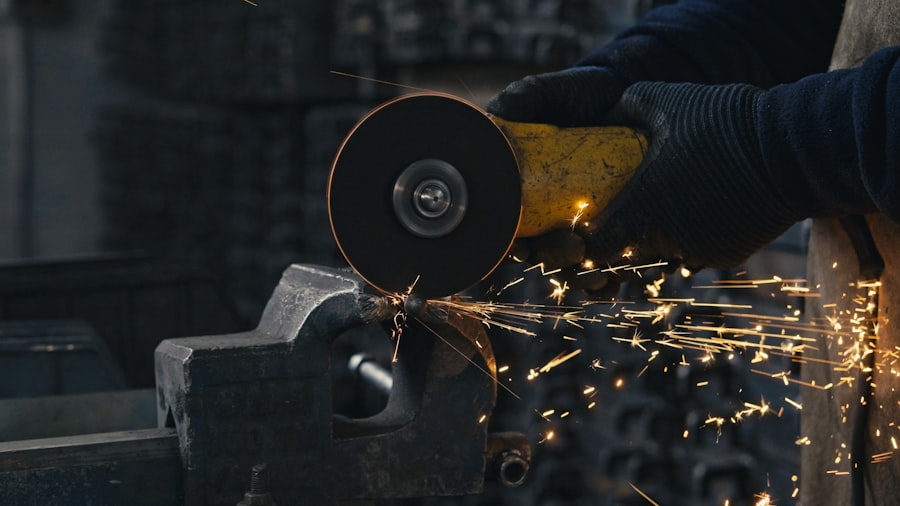
The circular saw is one of the most versatile power tools available, but it’s also one of the most dangerous for beginners. Its sharp blade can easily cut through wood and other materials, but if you’re not careful, it can also cause severe injuries. One common mistake beginners make is failing to understand how to properly set up the saw before use. If the blade is not aligned correctly or if the depth is set too deep, you risk kickback—a sudden and forceful reaction that can lead to loss of control over the tool.
Additionally, many beginners underestimate the importance of maintaining a firm grip on the saw while cutting. If you allow the saw to wander or if you’re not paying attention to your body positioning, you could easily end up injuring yourself or someone nearby. It’s crucial to familiarize yourself with the saw’s features and practice using it on scrap material before tackling your actual project. This way, you can build confidence in your abilities while minimizing the risk of accidents.
Angle Grinder: Risks and Precautions
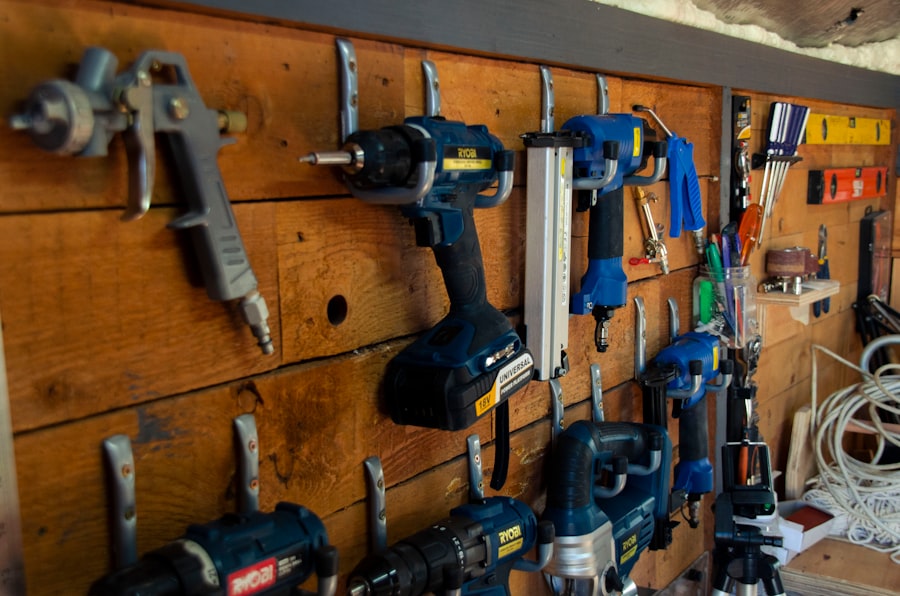
The angle grinder is another powerful tool that can be incredibly useful for cutting, grinding, and polishing various materials. However, it also poses significant risks if not handled properly. One of the primary dangers associated with angle grinders is the potential for flying debris. When using this tool, particles can break off from the material being worked on and become projectiles that can injure your eyes or skin. This is why wearing safety goggles and protective clothing is non-negotiable.
Moreover, angle grinders can generate a lot of heat during operation, which can lead to burns if you’re not careful. Beginners often overlook the importance of letting the tool cool down before handling it after use. Additionally, improper handling can lead to serious accidents such as cuts or even amputations if the grinder slips or kicks back unexpectedly. Always ensure that you have a firm grip on the tool and maintain a stable stance while working. Taking these precautions will help you navigate the risks associated with angle grinders more effectively.
Chainsaw: Handling the Most Dangerous Power Tool
| Power Tool | Common Hazards | Injury Risk Level | Safety Tips for Beginners |
|---|---|---|---|
| Table Saw | Kickback, blade contact, flying debris | High | Use blade guards, keep hands clear, use push sticks |
| Angle Grinder | Wheel shattering, sparks, cuts | High | Wear eye protection, use guard, hold firmly |
| Circular Saw | Blade contact, kickback, vibration | High | Secure material, use both hands, wear gloves |
| Power Drill | Bit slippage, electric shock, entanglement | Medium | Use correct bits, avoid loose clothing, unplug when changing bits |
| Jigsaw | Blade contact, splinters, vibration | Medium | Wear eye protection, keep fingers away from blade, secure workpiece |
| Chainsaw | Kickback, blade contact, loud noise | Very High | Wear protective gear, maintain sharp chain, use proper stance |
When it comes to power tools, few are as intimidating as the chainsaw. This tool is designed for cutting through thick wood quickly and efficiently, but its power comes with significant risks. Chainsaws are notorious for causing severe injuries due to their sharp teeth and high-speed operation. As a beginner, it’s vital to understand that operating a chainsaw requires not only skill but also respect for its capabilities.
One of the most critical aspects of chainsaw safety is proper handling techniques. You should always maintain a firm grip on the saw and keep both hands on the handles while in operation. Additionally, be aware of your surroundings; falling branches or kickback can pose serious threats if you’re not vigilant. It’s also essential to wear appropriate safety gear, including chainsaw chaps and a helmet with face protection. These precautions may seem excessive, but they are necessary when dealing with such a powerful tool.
Nail Gun: Potential Hazards and Safety Measures
Nail guns are incredibly efficient for fastening materials together quickly, but they come with their own set of hazards that beginners must be aware of. One of the most significant risks associated with nail guns is accidental firing. If you’re not careful about how you position the tool or if you’re distracted while using it, you could easily injure yourself or someone nearby. It’s crucial to always point the nail gun away from yourself and others when loading or adjusting it.
Another common issue with nail guns is misfires or jams. Beginners may not know how to clear a jam safely, which can lead to further complications or injuries.
Always consult the manufacturer’s instructions for troubleshooting tips and ensure that you’re familiar with how to operate the tool before starting your project.
By taking these precautions seriously, you can minimize risks and use a nail gun effectively without compromising your safety.
Table Saw: Understanding the Dangers
The table saw is a staple in many workshops due to its precision and efficiency in making straight cuts. However, it’s also one of the most dangerous tools for beginners if not used correctly. One of the primary dangers associated with table saws is kickback—a situation where the material being cut suddenly shoots back toward you at high speed. This can happen if the blade binds or if you’re not using proper feeding techniques.
To mitigate these risks, always use push sticks or other aids when working with small pieces of wood. This keeps your hands at a safe distance from the blade while allowing you to maintain control over the material being cut. Additionally, ensure that all safety features on the table saw are functioning correctly before use; this includes blade guards and riving knives designed to prevent kickback. Understanding these dangers will help you approach table saw operation with caution and respect.
Power Drill: Common Mistakes and Safety Tips
While power drills may seem less intimidating than other power tools, they still pose risks that beginners should be aware of. One common mistake is using the wrong drill bit for the material at hand; this can lead to overheating or even breaking bits during operation. Additionally, many beginners neglect to secure their workpieces properly before drilling, which can result in slips that cause injuries.
To ensure safe operation of a power drill, always double-check that you’re using the correct bit for your project and that your workpiece is firmly clamped down before starting. It’s also wise to wear safety goggles to protect your eyes from dust and debris generated during drilling. By taking these simple precautions seriously, you can avoid common pitfalls associated with power drills and work more efficiently.
Jackhammer: Safety Precautions for Beginners
Jackhammers are powerful tools designed for breaking up concrete and other hard surfaces, but they come with significant risks that beginners must understand before use. The sheer force generated by a jackhammer can lead to loss of control if you’re not prepared for its weight and vibration. This can result in serious injuries not only to yourself but also to those around you.
To operate a jackhammer safely, it’s essential to wear appropriate safety gear such as ear protection and heavy-duty gloves to minimize vibration exposure. Additionally, always maintain a stable stance while using the tool; this will help you manage its weight more effectively and reduce the risk of accidents caused by slips or falls. Understanding these precautions will empower you to use a jackhammer safely while minimizing potential hazards.
Router: Potential Risks and Safety Guidelines
Routers are versatile tools used for shaping edges and hollowing out areas in wood, but they also come with their own set of risks that beginners should be aware of. One significant danger associated with routers is kickback; if you’re not holding the router securely or if you’re using dull bits, it can suddenly jerk out of your control, leading to potential injuries.
To mitigate these risks, always ensure that you’re using sharp bits designed for your specific routing task and maintain a firm grip on the router throughout operation. Additionally, consider using clamps or jigs to secure your workpiece; this will help prevent movement during routing and reduce the likelihood of accidents occurring due to slips or misalignment. By following these guidelines, you’ll be better equipped to handle routers safely while achieving professional results in your projects.
The Importance of Proper Training and Caution
In conclusion, while power tools offer incredible benefits in terms of efficiency and creativity in various projects, they also come with significant risks that cannot be ignored—especially for beginners like yourself. Understanding these risks is crucial for ensuring your safety as well as that of those around you. Proper training is essential; take time to familiarize yourself with each tool’s operation before diving into any project.
Always prioritize safety by wearing appropriate gear and following best practices for each tool’s use. Remember that accidents can happen even when you’re being cautious; therefore, maintaining awareness of your surroundings and staying focused on your task is vital for preventing injuries. By approaching power tools with respect and caution, you’ll not only enhance your skills but also enjoy a safer experience as you explore this exciting world of DIY projects.
FAQs
What are some of the most dangerous power tools for beginners?
Some of the most dangerous power tools for beginners include table saws, circular saws, nail guns, angle grinders, and chainsaws. These tools require proper handling and safety precautions due to their high speed and cutting power.
Why are power tools risky for beginners?
Power tools are risky for beginners because they often lack experience and knowledge about safe operation. Improper use can lead to serious injuries such as cuts, amputations, or electric shocks.
What safety measures should beginners take when using power tools?
Beginners should always wear appropriate personal protective equipment (PPE) like safety goggles, gloves, and ear protection. They should read the tool’s manual, ensure the tool is in good condition, use guards and safety features, and work in a clean, well-lit area.
How can beginners reduce the risk of injury when using dangerous power tools?
Beginners can reduce risk by receiving proper training, starting with less powerful tools, maintaining focus while working, keeping hands away from moving parts, and never bypassing safety features.
Are there safer alternatives to dangerous power tools for beginners?
Yes, beginners can use manual tools or less powerful, user-friendly power tools designed with enhanced safety features. Additionally, cordless tools with automatic shut-off functions can be safer options for those new to power tools.